
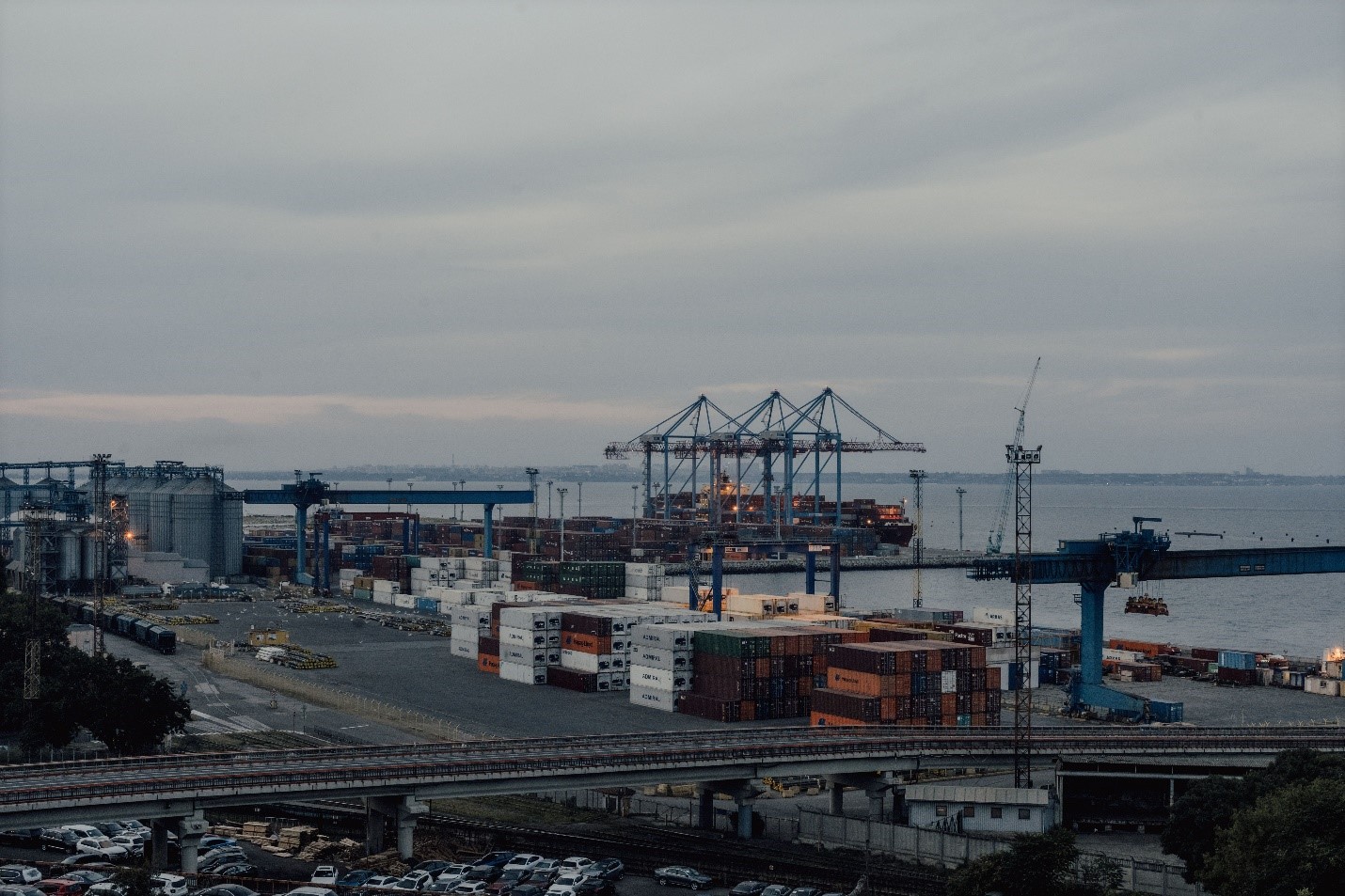
Recent events have accelerated the case for change. The COVID-19 pandemic exposed vulnerabilities in global production networks. Geopolitical tensions, shipping disruptions in the Red Sea, rising protectionism and the increasing use of industrial policy by major economies have encouraged companies worldwide to diversify manufacturing locations and shorten supply chains. At the same time, the implementation of the African Continental Free Trade Area (AfCFTA) is creating new opportunities for regional production and intra-African trade.
The challenge for Africa is no longer simply to reduce imports. It is to build competitive regional production networks that enable countries to specialise, add value and integrate into continental and global value chains.
Evidence suggests the opportunity is significant. According to the World Bank, full implementation of the AfCFTA could increase real incomes across Africa by around 7% by 2035, while reducing trade costs, expanding manufacturing exports and increasing intra-African trade—particularly in processed goods and manufactured products. These gains, however, depend on complementary reforms in transport, customs, logistics, digital trade and industrial policy.
The emerging question for executives and policymakers is therefore not whether supply chains should become more regional, but how quickly African economies can build the infrastructure, institutions and productive capacity required to compete.
Key Judgement
Africa's supply chain transformation will be determined less by tariff reductions than by the ability of governments and businesses to create integrated production ecosystems. Countries that combine reliable infrastructure, efficient logistics, modern customs systems, competitive manufacturing and investment-friendly regulation are likely to become regional production hubs. Those that remain dependent on fragmented domestic markets and imported intermediate goods risk losing competitiveness as global supply chains continue to evolve.
Why This Matters
Supply chains underpin every modern economy. They determine how raw materials become finished products, how efficiently goods move across borders and how resilient businesses remain during periods of disruption.
For many African economies, supply chain weaknesses translate directly into higher production costs, slower industrial growth and reduced export competitiveness.
The continent remains heavily dependent on imported manufactured goods, machinery, pharmaceuticals, fertilisers, industrial equipment and production inputs. This dependence has repeatedly exposed businesses to exchange-rate volatility, freight cost increases and international supply disruptions.
The COVID-19 pandemic demonstrated these vulnerabilities with unusual clarity. Lockdowns disrupted global shipping networks, delayed deliveries of critical medical supplies and industrial inputs, and highlighted the risks associated with concentrated manufacturing hubs. Subsequent disruptions; including congestion at major ports, conflict-related shipping risks in the Red Sea and ongoing geopolitical tensions have reinforced the importance of supply chain resilience.
At the same time, global manufacturers are reassessing production strategies. Many multinational firms are diversifying suppliers, regionalising production and seeking greater resilience rather than relying exclusively on low-cost manufacturing centres. This trend presents opportunities for emerging manufacturing regions capable of offering competitive production environments.
For Africa, this shift coincides with the gradual implementation of the AfCFTA, which aims to create one of the world's largest free trade areas by participating countries. By reducing trade barriers and improving market access, the agreement has the potential to support regional manufacturing, encourage industrial clustering and strengthen continental value chains.
However, improved market access alone will not transform supply chains. Businesses also require reliable transport infrastructure, affordable energy, efficient customs systems, predictable regulation and access to finance. Without these complementary investments, lower tariffs are unlikely to produce the expected industrial gains.
The Global Context: Why Supply Chains Are Being Rewritten
Global supply chains are entering a new phase.
For much of the past three decades, production strategies prioritised efficiency above all else. Manufacturers concentrated production in locations offering the lowest costs, while inventory management increasingly relied on "just-in-time" delivery models.
Recent disruptions have challenged that approach.
Governments and multinational corporations are increasingly prioritising resilience, diversification and strategic autonomy alongside cost efficiency. Industrial policy has returned as a central feature of economic strategy in major economies, while businesses are expanding supplier networks across multiple regions to reduce concentration risk.
The result is not the end of globalisation but a reconfiguration of how goods are produced and distributed.
For African economies, this changing landscape presents a strategic opportunity. Countries that can strengthen industrial capacity, improve logistics performance and integrate into regional production networks may become more attractive destinations for manufacturing investment and supply-chain diversification.
Africa's Structural Challenge
Despite growing manufacturing ambitions, many African economies remain positioned at the lower end of global value chains.
Raw materials; including minerals, agricultural commodities and hydrocarbons—are frequently exported with limited processing before being transformed into higher-value products elsewhere.
These finished goods are often imported back into African markets at significantly higher prices, limiting domestic value addition, employment creation and industrial capability.
Breaking this pattern requires more than expanding manufacturing output. It requires coordinated regional production systems where countries specialise in different stages of production, supported by efficient cross-border logistics and harmonised regulatory frameworks.
This transition represents one of the most significant economic opportunities created by the AfCFTA, but it also requires sustained execution over many years.
Intelligence Assessment
Africa's supply chain reset is not primarily about replacing imports with domestic production. It is about building competitive regional manufacturing ecosystems capable of serving African markets while connecting more effectively to global value chains.
The countries that succeed will likely be those that treat logistics, infrastructure, trade facilitation, industrial policy and investment promotion as interconnected components of a single competitiveness strategy rather than isolated policy initiatives.
From Fragmented Markets to Regional Production Networks
Executive Insight
For decades, Africa's manufacturing landscape has been characterised by fragmented national markets. Many countries attempted to build complete industrial ecosystems within relatively small domestic economies, often resulting in duplicated industries, underutilised production capacity and limited international competitiveness.
The implementation of the African Continental Free Trade Area (AfCFTA) offers an alternative model. Rather than encouraging every country to produce everything, it creates the possibility of regional production networks in which different economies specialise in stages of production while trading intermediate goods across borders.
This approach mirrors the evolution of manufacturing in regions such as Europe and Southeast Asia, where integrated supply chains have enabled countries to develop competitive industrial ecosystems without requiring every production process to occur within national borders.
For Africa, the transition from fragmented domestic manufacturing to interconnected regional value chains represents one of the continent's most significant long-term industrial opportunities.
Why Regional Production Matters
Manufacturing competitiveness increasingly depends on scale.
Modern production requires specialised suppliers, skilled labour, efficient logistics, predictable regulation and access to large consumer markets. Many African economies, when considered individually, struggle to provide sufficient market size to justify large-scale industrial investment.
Regional production networks change that equation.
Instead of duplicating production across multiple countries, firms can concentrate manufacturing where competitive advantages exist while sourcing components and distributing finished goods across the continent.
According to the World Bank, reducing trade costs through AfCFTA implementation could significantly increase intra-African trade, particularly in manufactured products, by making regional supply chains more commercially viable.
The objective is not merely to trade more goods across borders but to create integrated manufacturing ecosystems that retain more value within Africa before products reach global markets.
AfCFTA: The Foundation for Regional Manufacturing
AfCFTA is often described as a trade agreement, but its strategic importance extends beyond tariff reduction.
Its long-term success depends on enabling businesses to move goods, services and production inputs efficiently across multiple jurisdictions.
Several components are particularly important for manufacturers:
Rules of Origin
Rules of origin determine whether products qualify for preferential treatment under AfCFTA.
Effective implementation encourages companies to source more inputs from African suppliers while discouraging simple trans-shipment of goods manufactured outside the continent.
This creates incentives for deeper regional supply chains rather than merely increasing imports through neighbouring countries.
Trade Facilitation
Customs delays remain among the largest hidden costs facing African manufacturers.
The World Trade Organization (WTO) estimates that efficient trade facilitation measures can substantially reduce trade costs, particularly in developing economies.
Digitised customs systems, electronic documentation, coordinated border management and harmonised inspection procedures are therefore as important as tariff reductions in improving manufacturing competitiveness.
Standards Harmonisation
Manufacturers operating across multiple African markets frequently encounter differing product standards, certification requirements and regulatory procedures.
Reducing these inconsistencies lowers compliance costs and enables businesses to scale production more efficiently across regional markets.
Greater regulatory cooperation also increases investor confidence by creating more predictable operating environments.
Emerging Regional Manufacturing Hubs
Although Africa's industrial landscape remains uneven, several countries are increasingly positioning themselves as regional production centres.
Rather than competing across every manufacturing sector, many are developing specialised industrial capabilities supported by infrastructure investment, export-oriented policy and regional market integration.
Morocco: Automotive and Advanced Manufacturing
Morocco has established itself as one of Africa's leading automotive manufacturing hubs through sustained investment in industrial infrastructure, logistics and export-oriented production.
The country's integrated ecosystem, including vehicle assembly, component manufacturing, supplier networks and port infrastructure, has attracted global manufacturers while strengthening links with European and African markets.
Recent investments in electric vehicle battery production further position Morocco within emerging global clean-energy supply chains.
Its experience demonstrates the importance of combining industrial policy with long-term investment in logistics, workforce development and export infrastructure.
Egypt: Industrial Diversification
Egypt continues to expand manufacturing across sectors including chemicals, pharmaceuticals, food processing, construction materials and engineering products.
Its strategic geographic position, combined with access to multiple regional trade agreements, supports its role as a manufacturing gateway connecting Africa, the Middle East and Europe.
Government investment in industrial zones and logistics infrastructure aims to strengthen this competitive position further.
Kenya: Regional Consumer Manufacturing
Kenya has developed one of East Africa's most diversified manufacturing sectors, serving domestic demand while expanding exports across neighbouring markets.
Food processing, pharmaceuticals, household goods, packaging and construction materials remain important growth sectors.
The country's relatively advanced financial sector and growing digital economy also support manufacturing competitiveness through improved payment systems and business services.
Rwanda: Manufacturing Through Logistics Reform
Despite its relatively small domestic market, Rwanda has prioritised regulatory reform, trade facilitation and logistics efficiency as foundations for industrial development.
The country's emphasis on streamlined customs procedures, digital government services and investment promotion demonstrates how institutional quality can compensate, in part, for geographic constraints.
For smaller economies, efficient regulation may prove as important as industrial scale.
South Africa: Continental Industrial Anchor
South Africa remains Africa's most diversified industrial economy, with strengths spanning automotive manufacturing, chemicals, machinery, mining equipment, food processing and financial services.
Its sophisticated supplier base, research capacity and logistics infrastructure position it as an important anchor within several regional value chains.
However, maintaining competitiveness will require addressing persistent challenges including electricity reliability, freight logistics and infrastructure maintenance.
Industrial Corridors and Special Economic Zones
Manufacturing rarely develops in isolation.
Across successful industrial economies, production tends to concentrate around industrial corridors, logistics hubs and special economic zones (SEZs) that bring together manufacturers, suppliers, logistics providers and supporting services.
Several African countries are expanding these ecosystems through:
Industrial parks
Export processing zones
Integrated logistics hubs
Inland dry ports
Port modernisation
Cross-border transport corridors
When effectively governed, these clusters reduce production costs, encourage supplier development and improve economies of scale.
However, international experience suggests that infrastructure alone is insufficient. Successful industrial zones require reliable utilities, streamlined regulation, skilled labour, transparent governance and strong connections to domestic and international markets.
Infrastructure: The Missing Link
Supply chains are only as strong as the infrastructure that supports them.
Persistent constraints; including unreliable electricity, congested ports, inadequate rail networks and poor road connectivity continue to increase production costs across many African economies.
The African Development Bank estimates that Africa's infrastructure financing gap remains substantial, limiting progress in transport, energy and logistics.
Closing these gaps is not solely a public-sector responsibility. Increasingly, governments are using public-private partnerships, blended finance and institutional investment to expand infrastructure capacity while improving operational efficiency.
The quality of infrastructure will increasingly determine which countries emerge as regional production leaders.
Intelligence Assessment
Regional production networks will not emerge automatically through tariff reductions alone.
They require coordinated investment across transport infrastructure, customs systems, industrial policy, workforce development, energy reliability and regulatory reform.
Countries that successfully integrate these elements are likely to become the principal manufacturing and logistics hubs of Africa's next industrial phase. Those that fail to modernise risk remaining consumers within regional value chains rather than becoming producers.
The Winners, the Risks and the Boardroom Agenda
Executive Insight
Africa's supply chain transformation will not benefit every sector equally. Industries with strong domestic demand, access to regional markets, and the ability to add value to locally available raw materials are likely to gain the most from deeper continental integration.
However, structural challenges remain. Persistent infrastructure deficits, fragmented regulations, financing constraints, geopolitical uncertainty and climate-related disruptions continue to limit the pace at which regional production networks can develop.
For executives, investors and policymakers, the question is no longer whether supply chains should become more regional. It is where competitive advantage will emerge first, what risks require active management, and which strategic investments will deliver long-term resilience.
The Sectors Poised to Benefit
Advanced Agro-Processing
Agriculture remains one of Africa's strongest comparative advantages, yet much of the continent continues to export raw agricultural commodities while importing higher-value processed food products.
Regional production networks provide an opportunity to reverse this pattern.
Instead of exporting raw cocoa, coffee, cotton, cashew nuts or horticultural products, businesses can increasingly develop regional processing industries that capture greater economic value before products reach international markets.
Investment opportunities include:
Food processing
Cold-chain logistics
Packaging
Agricultural technology
Storage infrastructure
Quality certification
Export logistics
Expanding agro-processing not only improves export earnings but also strengthens food security and creates employment throughout rural supply chains.
Pharmaceuticals and Healthcare Manufacturing
The COVID-19 pandemic highlighted Africa's dependence on imported medicines, vaccines and medical equipment.
Since then, governments, development finance institutions and private investors have increased efforts to strengthen regional pharmaceutical manufacturing.
The African Union's Pharmaceutical Manufacturing Plan for Africa, together with initiatives supported by the Africa Centres for Disease Control and Prevention (Africa CDC) and the African Development Bank, seeks to expand domestic manufacturing capacity and reduce reliance on external suppliers.
Regional production networks can improve supply security while supporting technology transfer, skills development and higher-value industrial activity.
Automotive and Electric Mobility
Africa's automotive sector is gradually evolving from vehicle assembly towards broader industrial ecosystems.
Countries such as Morocco and South Africa have developed increasingly sophisticated supplier networks that include component manufacturing, engineering services and export-oriented production.
The global transition towards electric vehicles presents additional opportunities.
Demand for batteries, critical minerals processing, charging infrastructure and specialised manufacturing could enable African economies to move further up global value chains, particularly where industrial policy aligns with private investment.
Critical Minerals and Downstream Processing
Africa possesses significant reserves of minerals essential to clean energy technologies, including lithium, cobalt, manganese, graphite and rare earth elements.
The strategic opportunity lies not only in extraction but increasingly in refining, processing and manufacturing battery materials and industrial components.
Countries able to attract investment into downstream processing are likely to retain a greater share of value creation while strengthening regional industrial ecosystems.
Digital Supply Chains
Modern manufacturing increasingly depends on digital infrastructure.
Artificial intelligence, cloud computing, Internet of Things (IoT) technologies, digital customs systems and real-time logistics platforms are becoming central components of competitive supply chains.
Businesses investing in digital transformation are likely to benefit from:
Improved inventory management
Greater supply-chain visibility
Faster customs processing
Reduced operational costs
Better demand forecasting
Increased resilience during disruptions
Digital capability is therefore becoming a competitive necessity rather than a technological advantage.
The Risks That Could Slow Africa's Supply Chain Reset
Infrastructure Constraints
Transport infrastructure remains one of the most significant barriers to regional manufacturing.
Congested ports, unreliable rail systems, deteriorating roads and limited warehousing continue to increase logistics costs across many African economies.
Although investment is increasing, infrastructure development often requires long planning horizons and substantial capital commitments.
Without continued investment, logistics bottlenecks may limit the competitiveness of regional production networks.
Energy Reliability
Manufacturing competitiveness depends heavily on affordable and reliable electricity.
Frequent power interruptions increase production costs, reduce operational efficiency and discourage industrial investment.
The expansion of renewable energy, regional power pools and private energy solutions may improve resilience over time, but energy reliability remains a strategic priority for governments seeking to attract manufacturers.
Trade Policy Fragmentation
AfCFTA provides an important institutional framework, yet implementation remains uneven across participating countries.
Differences in customs administration, standards enforcement, licensing requirements and border procedures continue to create uncertainty for businesses operating across multiple jurisdictions.
Consistent implementation will be essential if regional value chains are to reach their full potential.
Access to Industrial Finance
Manufacturing requires long-term investment.
Many African firms continue to face difficulties accessing affordable capital for factory expansion, equipment upgrades, technology adoption and export development.
Development finance institutions, pension funds, commercial banks and private capital providers all have important roles to play in expanding industrial finance.
Without greater investment in productive sectors, regional supply chains may struggle to scale.
Climate and Environmental Risks
Climate change is becoming an increasingly important supply-chain risk.
Extreme weather events, droughts, flooding and changing rainfall patterns affect agricultural production, transport infrastructure and industrial operations.
Businesses are therefore placing greater emphasis on supply-chain diversification, climate resilience and sustainable sourcing.
Companies able to adapt to these challenges are likely to become more competitive as environmental standards continue to evolve.
The Boardroom Agenda
For business leaders, Africa's supply chain transformation requires a shift in strategic thinking.
Success will increasingly depend on building regional operating models rather than managing isolated national businesses.
Executive teams should consider five strategic priorities.
1. Build Regional Supply Chains
Identify opportunities to source inputs, manufacture products and distribute goods across multiple African markets rather than concentrating operations within a single country.
2. Invest in Productivity
Automation, workforce development, digital systems and operational efficiency will increasingly determine competitiveness.
Companies that improve productivity today are likely to become preferred suppliers tomorrow.
3. Diversify Suppliers
Reducing dependence on single-country suppliers improves resilience against geopolitical disruption, transport delays and market volatility.
Multi-country supplier networks should become part of long-term procurement strategies.
4. Digitise Operations
Digital customs documentation, AI-driven forecasting, inventory management systems and integrated logistics platforms are rapidly becoming standard business capabilities.
Digital transformation should be viewed as an investment in competitiveness rather than an operational upgrade.
5. Prepare for Sustainability Requirements
Global buyers increasingly expect evidence of environmental responsibility, ethical sourcing and supply-chain transparency.
Businesses that integrate sustainability into procurement, production and reporting processes are likely to strengthen access to export markets and institutional investment.
Strategic Outlook
Africa's supply chain reset represents more than a response to recent global disruptions. It reflects a broader structural transition in how the continent participates in international trade.
The objective is not self-sufficiency, nor is it the wholesale replacement of imports. Rather, it is the creation of competitive regional production networks that enable African economies to specialise, collaborate and capture greater value from manufacturing and trade.
Achieving this transformation will require sustained investment, institutional reform and private-sector leadership. Governments must improve infrastructure, accelerate AfCFTA implementation and strengthen the business environment. Investors must provide patient capital for industrial expansion. Businesses must embrace regional strategies, digital technologies and operational excellence.
The countries and companies that move earliest—and execute consistently—are likely to define Africa's next generation of manufacturing and logistics champions.
Risk Watch
Over the next three to five years, decision-makers should closely monitor:
The pace of AfCFTA implementation, particularly rules of origin, customs modernisation and standards harmonisation.
Investment in strategic transport corridors, ports, railways and industrial parks.
Manufacturing investment linked to critical minerals, electric vehicles and renewable energy technologies.
Progress in regional digital trade systems, including cross-border payments and electronic customs platforms.
Geopolitical developments that may accelerate the diversification of global supply chains towards emerging manufacturing hubs.
These indicators will provide an early signal of whether Africa's supply chain reset evolves into a sustained industrial transformation or remains constrained by longstanding structural bottlenecks.
Executive Outlook: The Next Decade of African Supply Chains
The evidence points towards a gradual but meaningful restructuring of Africa's production landscape.
Over the next decade, the continent is likely to move from a model centred on importing finished goods towards one characterised by regional manufacturing hubs, cross-border industrial corridors and increasingly integrated supply chains. The pace of change will vary by country and sector, but the direction of travel is becoming clearer.
Several forces are converging:
AfCFTA implementation is lowering barriers to regional trade.
Global supply-chain diversification is creating new opportunities for manufacturing investment.
Industrial policy is returning as a strategic priority across major economies.
Digital trade infrastructure is reducing friction in cross-border commerce.
Infrastructure investment is expanding transport, energy and logistics capacity in key corridors.
What Changed?
The central change is that African supply chains are increasingly being designed around regional production networks rather than isolated national markets.
Historically, many countries attempted to build complete industrial ecosystems within relatively small domestic economies. The emerging model is different: one country manufactures components, another assembles finished products, and a third provides logistics, packaging or distribution services.
This represents a shift from import substitution to regional value-chain integration.
Why It Matters
Regional production networks can improve:
Trade
Export competitiveness
Lower production costs and improved access to larger markets can make African manufactured goods more competitive.
Resilience
Supply resilience
Diversified regional sourcing reduces exposure to global shipping disruptions and external shocks.
Industry
Industrial value addition
More processing and manufacturing can occur within Africa before products reach international markets.
Jobs
Employment
Manufacturing, logistics, warehousing and industrial services create higher-value jobs across supply chains.
FX
Foreign exchange earnings
Export-oriented manufacturing can help diversify foreign exchange revenues beyond commodities.
Growth
Economic resilience
Broader industrial ecosystems reduce dependence on a narrow set of exports and improve long-term growth prospects.
Where the Opportunity Is Emerging
High-potential regional supply-chain sectors
2026 outlook
The strongest opportunities are concentrated in sectors where Africa has either a resource advantage, growing domestic demand, or an existing industrial base that can be scaled regionally.
What Decision-Makers Should Watch Next
1. AfCFTA implementation milestones
High importance
Particular attention should be paid to rules of origin, customs harmonisation and digital trade systems.
2. Strategic transport corridors
High importance
Rail, port and road projects linking manufacturing hubs will determine the efficiency of regional value chains.
3. Industrial investment flows
High importance
Watch investment announcements in automotive, battery manufacturing, pharmaceuticals and agro-processing.
4. Energy infrastructure expansion
Medium-High
Reliable electricity remains one of the most important determinants of manufacturing competitiveness.
5. Global supply-chain diversification
Medium-High
As multinational firms seek alternative production locations, African manufacturing hubs that can demonstrate reliability, scale and logistics efficiency may attract a larger share of investment.
The Strategic Signal
The strongest signal from current trade and industrial trends is that Africa is moving from a consumption-led import model towards a production-led regional integration model.
That transition will be uneven and will require sustained investment in infrastructure, energy, logistics, skills and institutional reform. But the direction is becoming increasingly difficult to ignore.
Countries that successfully combine these elements are likely to emerge as the principal manufacturing and logistics hubs of Africa's next industrial phase.
Source & Methodology
This article was prepared using publicly available data from multilateral institutions, official trade organisations and internationally recognised business reporting.
Priority was given to primary sources for macroeconomic analysis, trade policy, infrastructure financing and industrial development trends. Reuters reporting was used to verify recent developments in African manufacturing, logistics, battery investment and regional trade integration where independent confirmation was required.
All material economic claims have been tied to named institutions, and projections are clearly distinguished from observed outcomes. The analysis focuses on structural trends in supply-chain resilience, regional production networks and manufacturing competitiveness rather than providing country-by-country investment advice.
The article is intended for executives, investors, policymakers and institutional stakeholders seeking strategic insight into Africa's evolving trade and industrial landscape. It does not constitute investment, legal or financial advice.