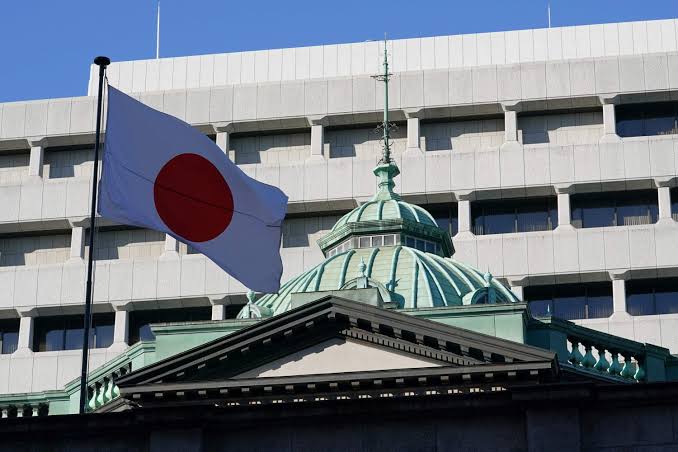

Government bond yields were mixed as investors evaluated whether rising energy costs could prolong inflationary pressures and delay expected interest-rate reductions by major central banks. The shift reflects growing caution that geopolitical developments are once again becoming a significant driver of financial market performance after months of improving inflation data.
Asset managers say higher crude prices have introduced fresh uncertainty into capital markets, particularly for fixed-income investors who had anticipated a more accommodative policy environment during the second half of the year. Persistent energy inflation could compel central banks to maintain restrictive monetary settings for longer, influencing borrowing costs for governments, businesses and households.
Currency markets have also experienced heightened volatility as investors seek safe-haven assets while monitoring developments in global energy markets. Commodity-exporting economies have generally benefited from stronger oil prices, while energy-importing nations continue facing pressure from widening import bills and inflation risks.
Financial institutions are increasingly advising clients to prioritise portfolio resilience through diversified asset allocation and enhanced risk management. Demand for defensive sectors, inflation-linked securities and high-quality fixed-income assets has strengthened as market participants prepare for continued volatility.
Corporate finance executives are likewise monitoring conditions closely. Higher bond yields increase the cost of raising capital, potentially affecting merger activity, infrastructure financing and long-term investment programmes. Companies with significant refinancing requirements may face greater funding challenges if market conditions remain unsettled.
Economists note that the relationship between energy markets and financial conditions has become increasingly pronounced, with geopolitical developments influencing everything from equity valuations to sovereign borrowing costs.
For investors, the coming weeks are expected to be defined by inflation releases, central bank communications and energy market developments. Together, these factors will shape expectations for monetary policy and determine whether financial markets regain stability or enter another period of heightened uncertainty.