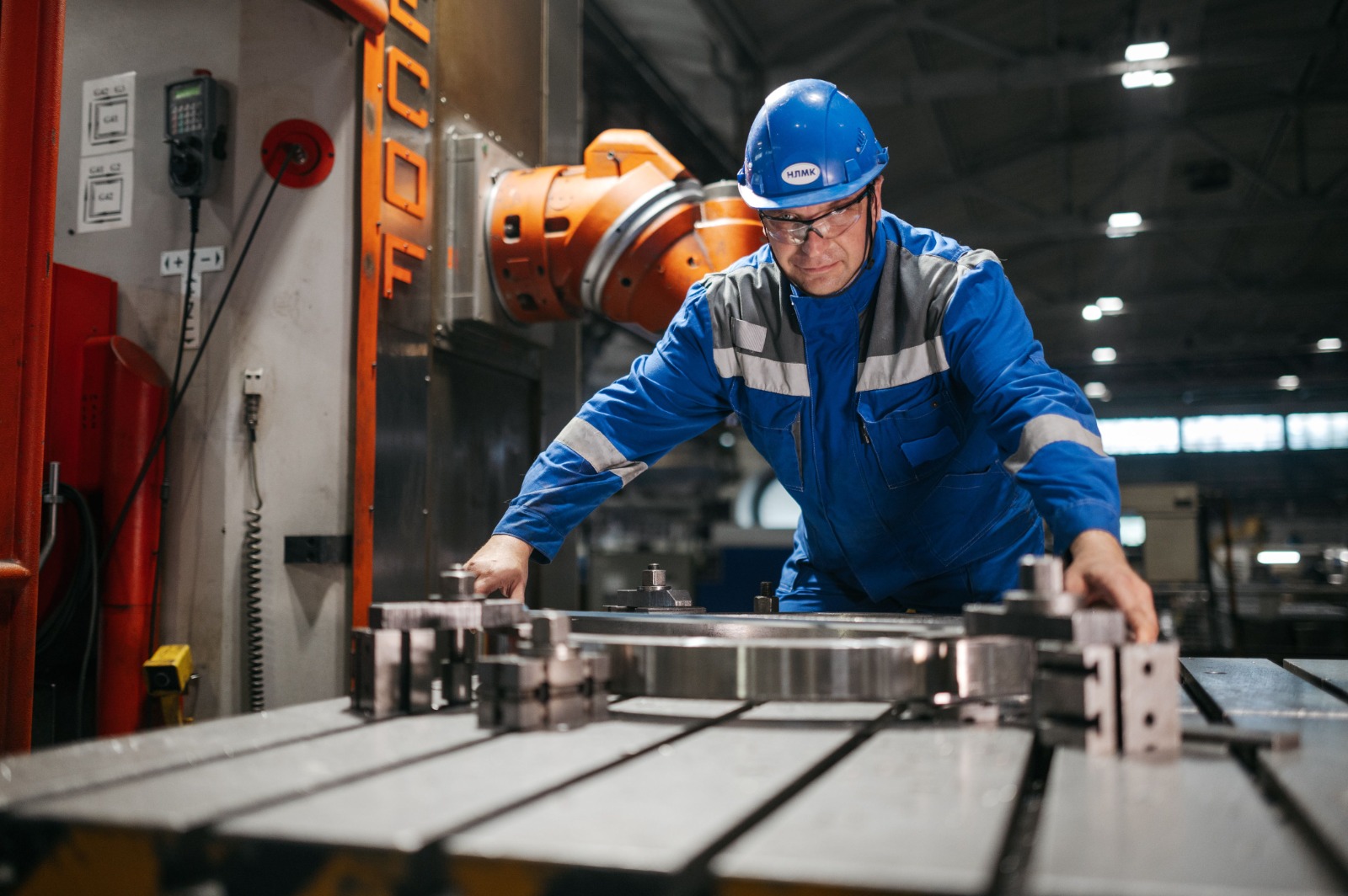
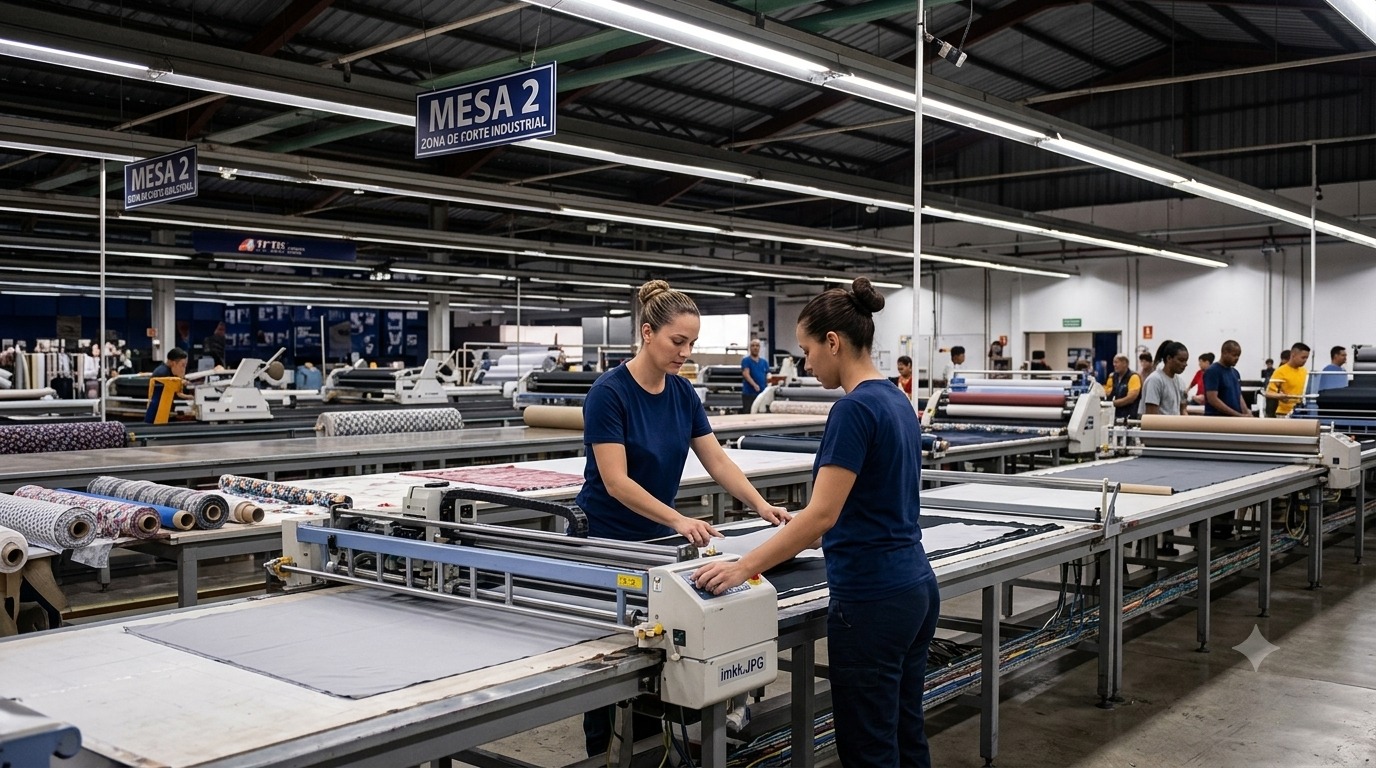
Factory surveys from Europe and parts of Asia pointed to improving business conditions as stronger export demand, stabilising supply chains and increased investment in advanced manufacturing supported production. The improvement follows months of subdued industrial activity linked to tighter monetary policy and weaker global demand.
While the recovery provides encouragement for businesses and policymakers seeking stronger economic momentum, it also presents a new policy challenge. Rising factory output could reinforce demand for labour, energy and raw materials, potentially slowing progress in reducing inflation.
Central banks have spent the past two years pursuing restrictive monetary policies to curb price growth. As industrial activity accelerates, policymakers must determine whether improving production reflects sustainable economic expansion or the beginning of renewed inflationary pressures.
Economists note that manufacturing remains a leading indicator of broader economic performance, influencing employment, investment and trade across global markets. Continued expansion could improve business confidence and encourage additional capital expenditure, particularly in technology, industrial automation and infrastructure.
Governments are also monitoring manufacturing performance as part of wider industrial competitiveness strategies. Increased investment in artificial intelligence, semiconductor production and energy transition technologies has become central to long-term economic planning in many advanced economies.
Business leaders caution that recovery remains uneven. Elevated financing costs, labour shortages and geopolitical risks continue affecting corporate investment decisions, particularly for export-oriented manufacturers exposed to global trade volatility.
The latest factory data nevertheless suggest that industrial production is becoming a more significant contributor to economic growth after an extended period of weakness.
For policymakers, sustaining the recovery while preventing a resurgence in inflation will remain one of the defining economic challenges of the second half of 2026.