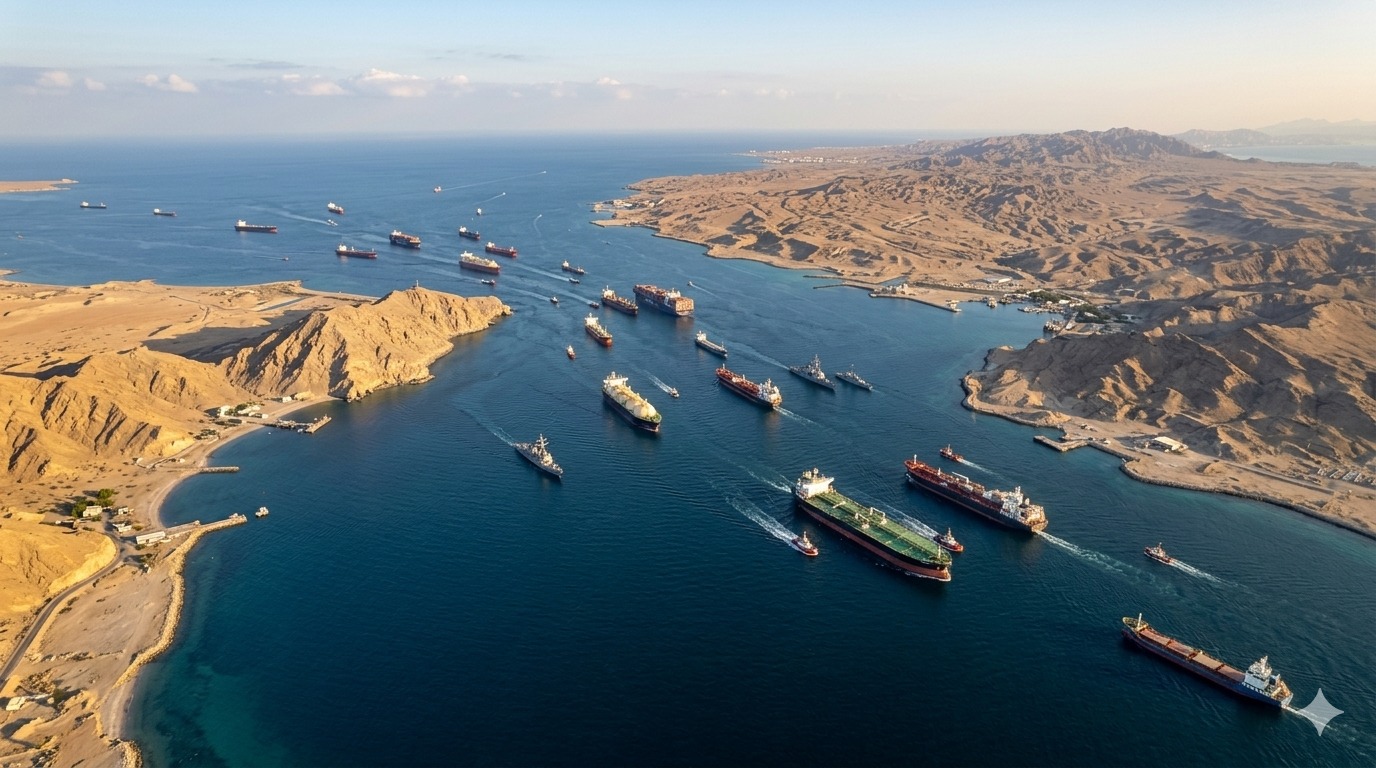
The Strait of Hormuz, one of the world's most strategically important maritime routes, has returned to the center of corporate planning discussions after recent diplomatic progress reduced immediate concerns over energy supply disruptions. While the development has provided relief to global markets, businesses are increasingly viewing the episode as a reminder of the vulnerabilities embedded within modern supply networks.
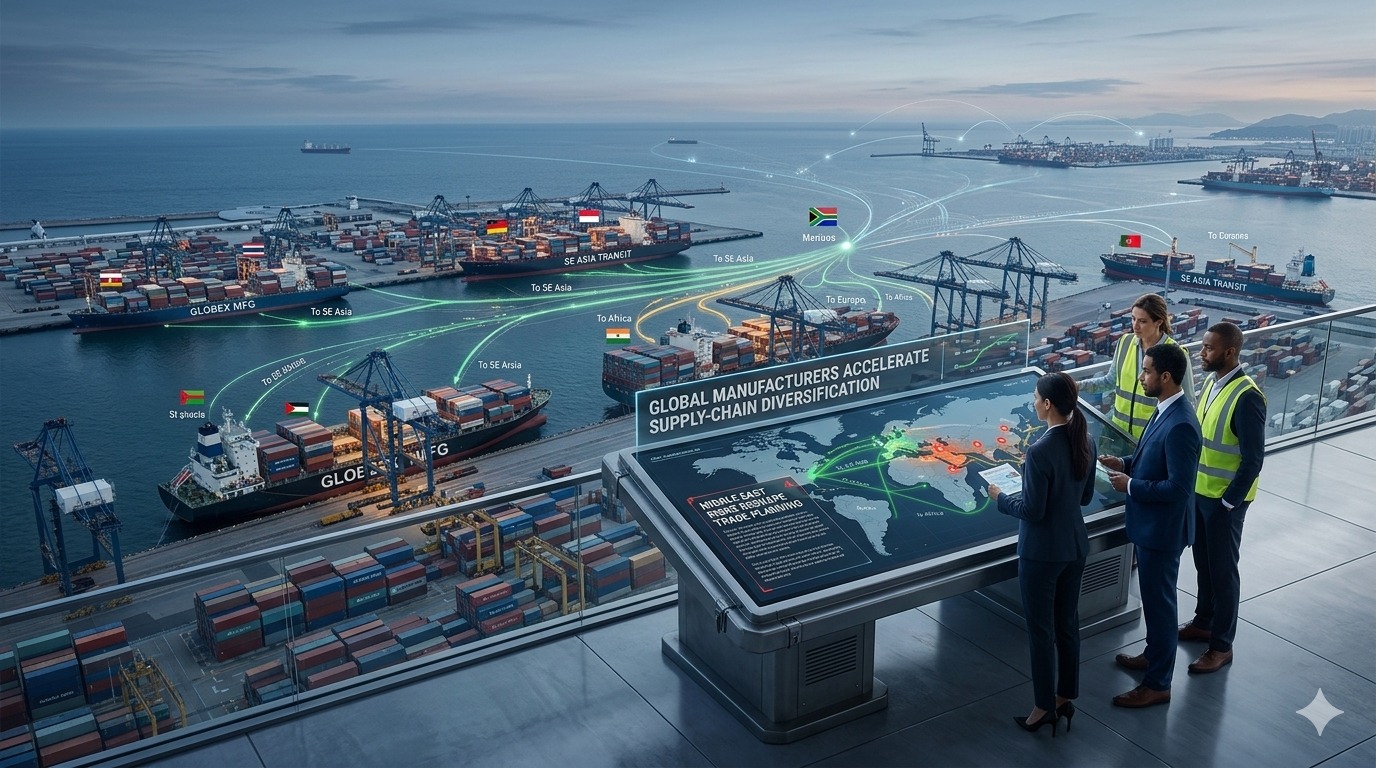
Manufacturers across Europe, Asia and North America are expanding supplier diversification initiatives that began during the pandemic and intensified amid geopolitical tensions in recent years. Companies operating in automotive, industrial manufacturing, chemicals and consumer goods sectors are among those reassessing dependencies on concentrated supply routes and single-source suppliers.
Industry executives say resilience has become a strategic priority rather than an operational consideration. Investments in regional production facilities, alternative shipping corridors and inventory flexibility are increasingly being incorporated into long-term capital allocation decisions.
The reopening of key trade routes has also renewed discussions about efficiency versus resilience. While lower freight costs and improved shipping reliability may encourage some firms to optimise costs, many businesses remain cautious about reverting to highly concentrated supply structures.
Economists note that supply-chain diversification is likely to remain a defining feature of global industrial strategy. Recent disruptions linked to pandemics, geopolitical tensions and energy volatility have demonstrated how operational risks can quickly translate into financial and economic consequences.
For investors, the trend could benefit logistics providers, industrial technology firms and infrastructure operators positioned to support more geographically diversified trade networks. Companies capable of balancing efficiency with resilience may also gain competitive advantages in an increasingly uncertain global environment.
The latest developments suggest that while immediate geopolitical risks may be easing, the broader transformation of global supply chains is likely to continue shaping corporate strategy for years to come.