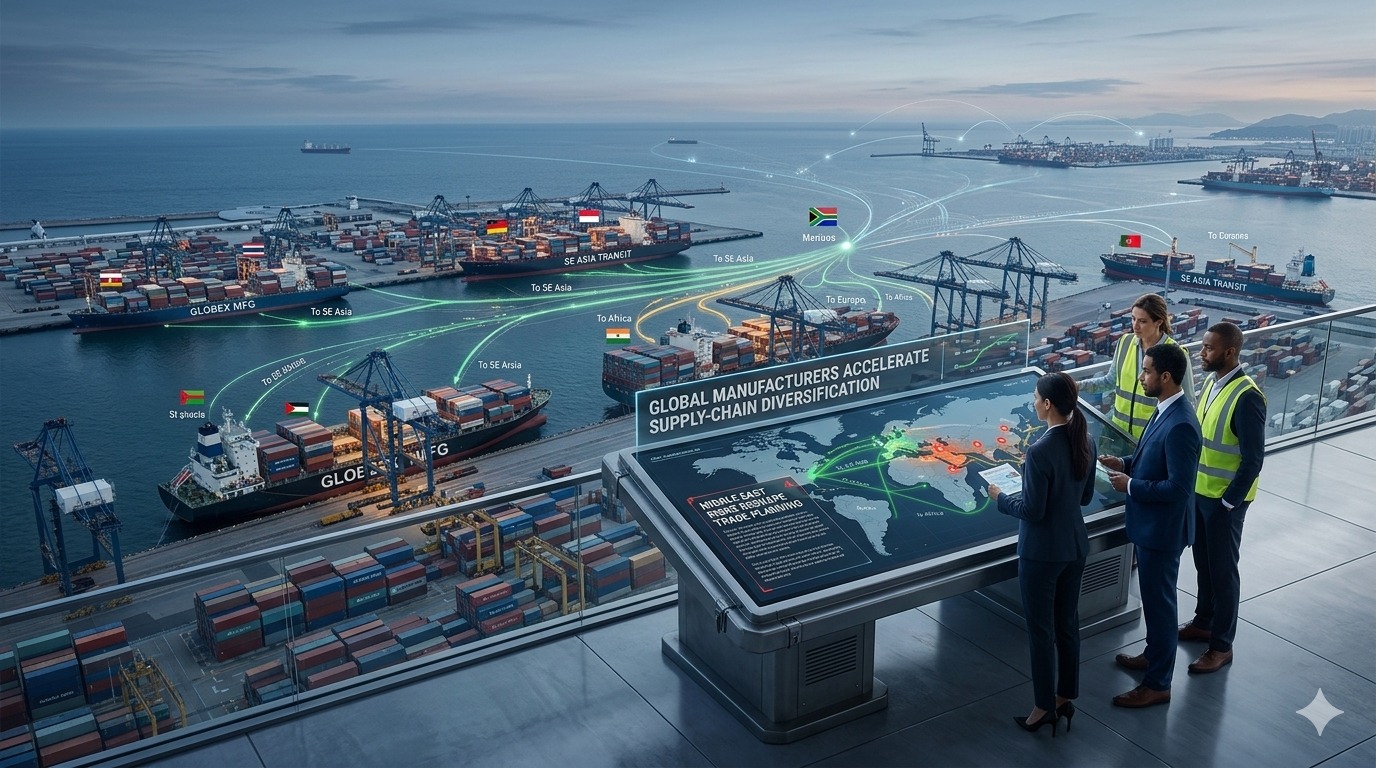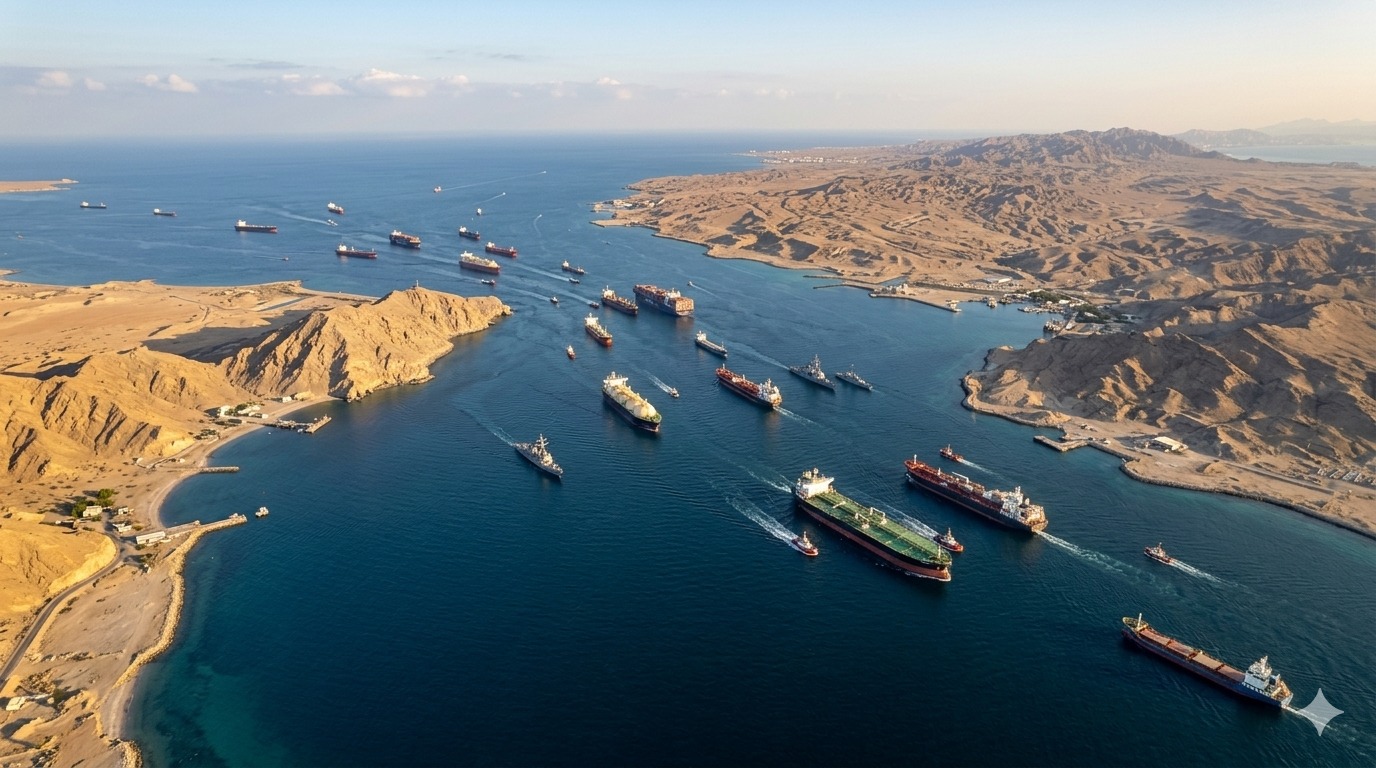
The renewed focus on supply-chain security follows weeks of heightened geopolitical tensions in the Middle East, a region that remains central to global energy exports and maritime trade. Although commercial traffic through the waterway has largely continued, companies across manufacturing, automotive, chemicals and consumer goods sectors are increasingly preparing for the possibility of future disruptions.
Executives say the latest developments reinforce a lesson many corporations learned during the pandemic and subsequent geopolitical crises: efficiency alone is no longer sufficient. Businesses are increasingly prioritising resilience, redundancy and strategic flexibility as permanent components of operational planning.
Several multinational firms have expanded supplier diversification programmes and increased inventory holdings for critical components. Others are exploring alternative shipping routes and regional production hubs to reduce exposure to geopolitical chokepoints.
The implications extend beyond logistics. Rising insurance premiums, shipping costs and energy prices are placing additional pressure on manufacturing margins at a time when businesses are already navigating slower global demand and elevated borrowing costs.
Industry analysts note that supply chains are entering a new phase characterised by greater geopolitical sensitivity. Corporate decision-making is increasingly influenced by political risk assessments, trade policy developments and energy security considerations.
For investors, the shift may favour companies with diversified procurement networks, robust logistics capabilities and stronger operational flexibility. Firms heavily dependent on concentrated supply chains could face greater vulnerability to future disruptions.
Economists argue that the broader trend reflects a structural transformation in global commerce. As geopolitical fragmentation reshapes trade patterns, resilience is becoming a competitive advantage rather than merely a risk-management tool.
For manufacturers worldwide, the challenge now extends beyond managing costs. It involves building supply networks capable of operating effectively in a more uncertain and increasingly fragmented global economy.