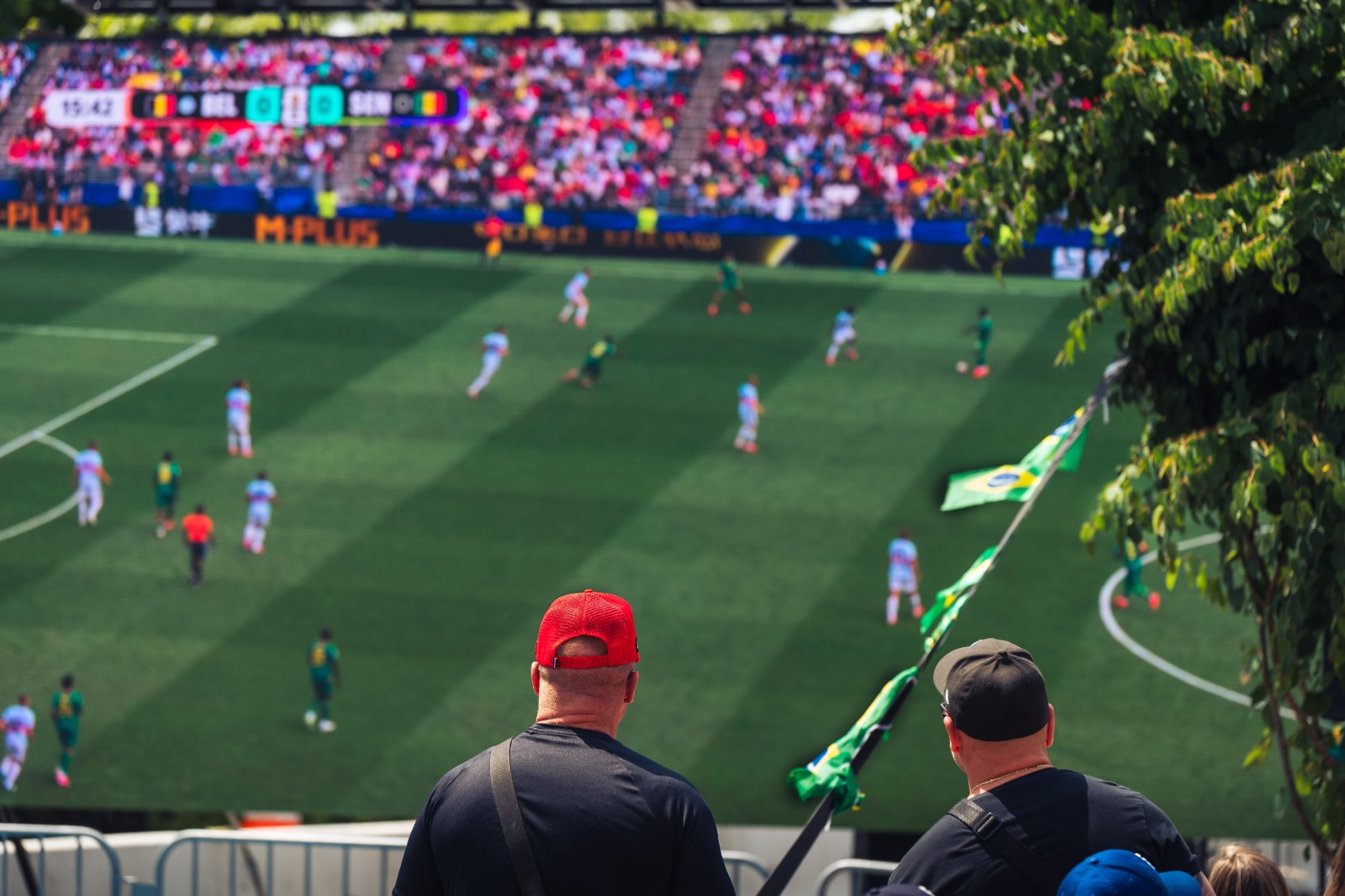
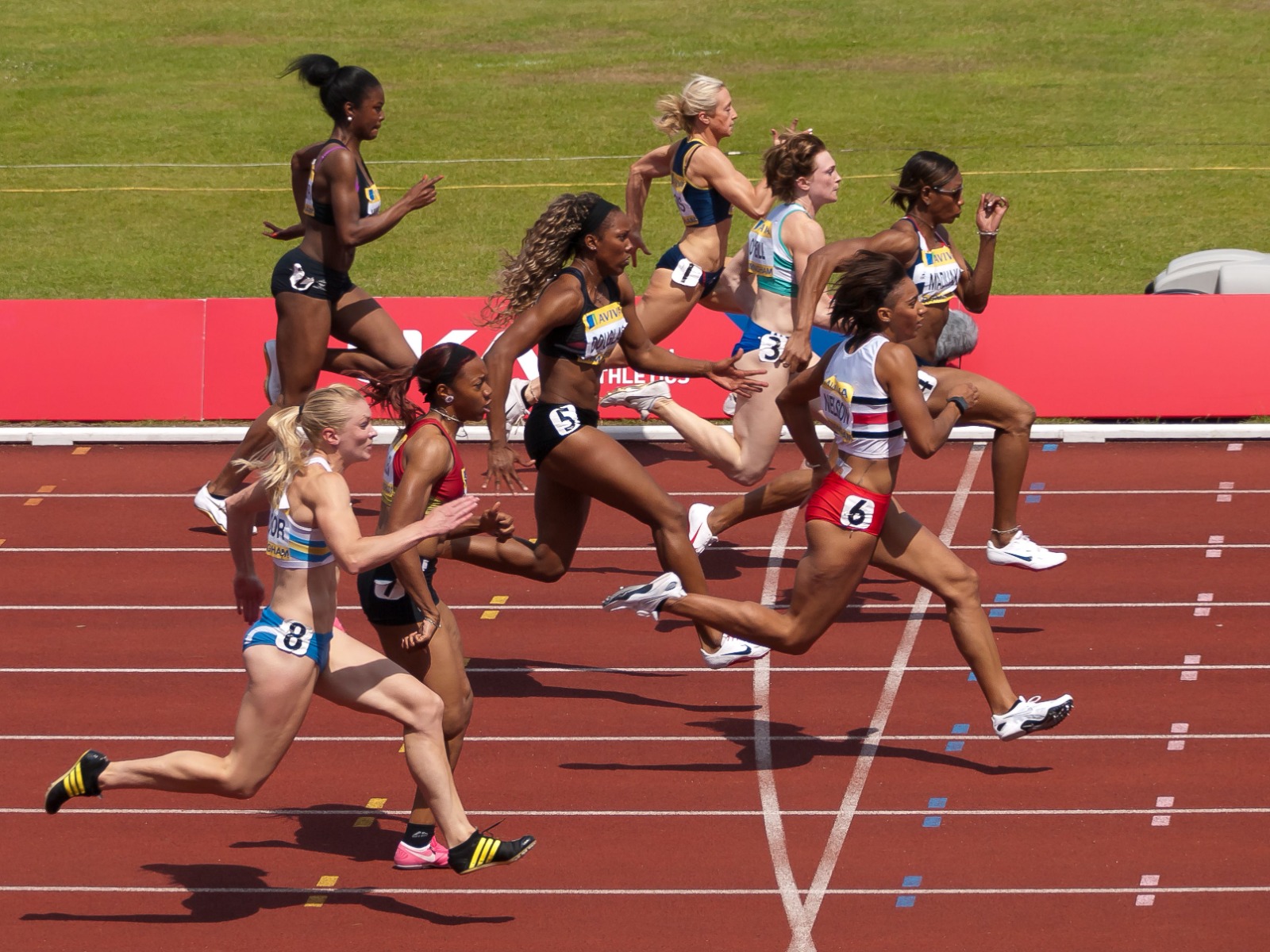
The Games arrive at a time when governments and host cities are increasingly expected to demonstrate measurable economic returns from large-scale sporting events. Rising construction costs, tighter public finances and greater scrutiny of infrastructure spending have shifted the focus beyond medal counts and spectator attendance towards sustainable legacy planning and commercial impact.
Organisers expect the Games to generate increased activity across the hospitality, transport, retail and leisure sectors, supported by the arrival of thousands of athletes, officials, media representatives and international visitors. Hotels, restaurants and local businesses are anticipated to benefit from higher consumer spending during the competition, while the event also provides an opportunity to showcase Scotland as a destination for future tourism, conferences and private investment. Reports indicate that ticket sales have remained strong as the Games commence, reflecting sustained public interest despite broader economic uncertainty.
For businesses, the Games represent more than a sporting occasion. Companies involved in event logistics, digital services, broadcasting, security, transport and infrastructure have participated in delivering one of the largest international sporting events of the year. The growing commercial ecosystem surrounding global sport continues to create opportunities for technology providers, media organisations and service companies whose revenues increasingly depend on large-scale international events.
The competition also highlights the expanding role of sport within the wider economy. Professional sporting events now influence tourism strategy, infrastructure investment, international branding and urban development. Policymakers increasingly view successful event delivery as an opportunity to strengthen investor confidence while demonstrating organisational capability that may support future bids for business conferences, cultural festivals and other globally significant gatherings.
Economists note that the long-term value of sporting events depends less on immediate visitor expenditure than on their ability to stimulate sustained economic activity after the closing ceremony. Investment in transport infrastructure, digital connectivity, hospitality capacity and workforce development often determines whether host cities achieve lasting commercial benefits.
From an Aldrenor perspective, the Glasgow Commonwealth Games illustrate the growing intersection between sport, economic development and international competitiveness. As governments face increasing pressure to justify public expenditure, major sporting events are likely to be assessed not only by their organisational success but also by their contribution to investment, employment and long-term regional growth.