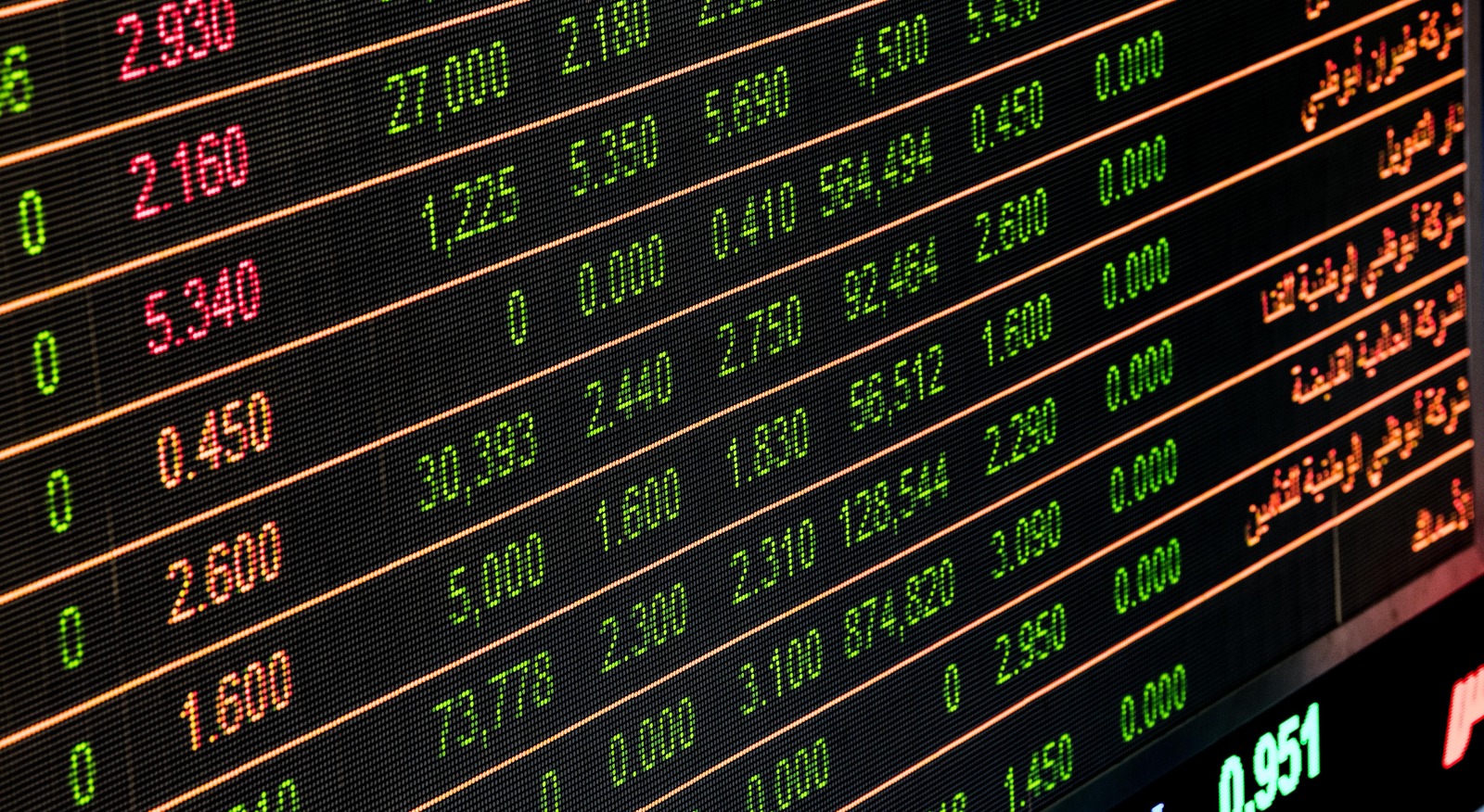

The yield on the benchmark 10-year Treasury note rose to 5.142% on Thursday, its highest level since July 2007, while the 30-year yield climbed to about 5.44%, its highest since 2004. The latest move extends a prolonged sell-off across global bond markets.
Recent US economic data have added to the pressure. A strong September purchasing managers' survey pointed to business activity accelerating at its fastest pace in more than five years, while input-price pressures remained elevated.
The combination has complicated expectations for interest rates. Investors had been assessing the Federal Reserve's policy direction after its recent decision to raise rates and signal further tightening, while higher oil prices have introduced another source of inflationary pressure.
Energy markets have become increasingly important to the bond outlook. Brent crude has remained above $100 a barrel amid uncertainty surrounding the conflict involving Iran and stalled diplomatic efforts, increasing the risk that higher transport and production costs could feed into consumer prices.
The bond-market sell-off is also raising financing costs for governments and companies. Higher sovereign yields can influence corporate borrowing rates, mortgage costs and investment decisions, particularly for businesses dependent on debt financing.
For investors, the movement in long-term yields represents more than a shift in expectations for the next Federal Reserve decision. It reflects growing concern about the durability of inflation, the supply of government debt and the ability of policymakers to balance price stability with economic resilience.
Global markets are therefore entering a period in which higher borrowing costs, energy volatility and resilient economic activity could continue shaping asset valuations. The sustainability of US growth and the direction of inflation will remain central to determining whether Treasury yields stabilise or move further into historically elevated territory.