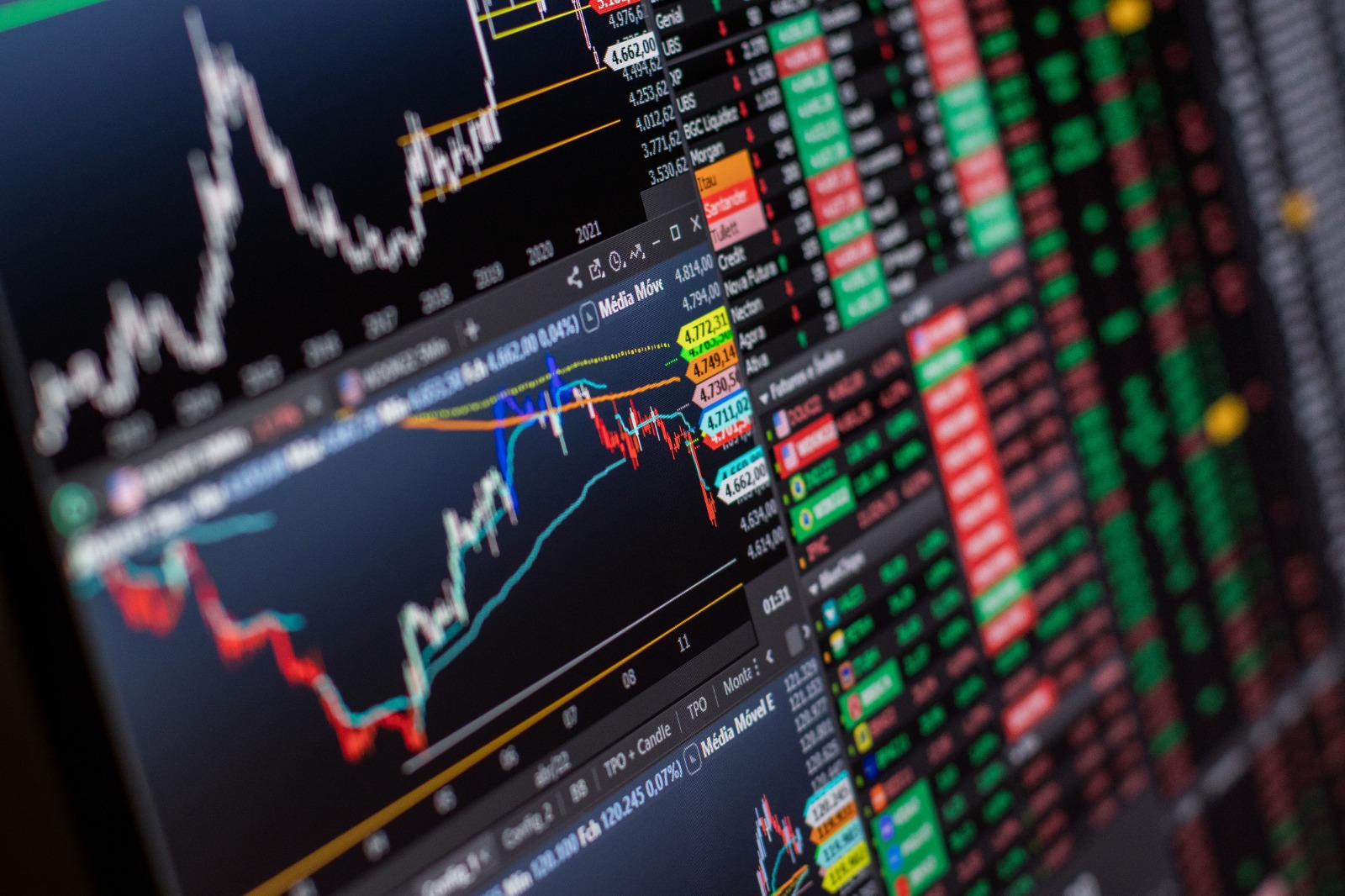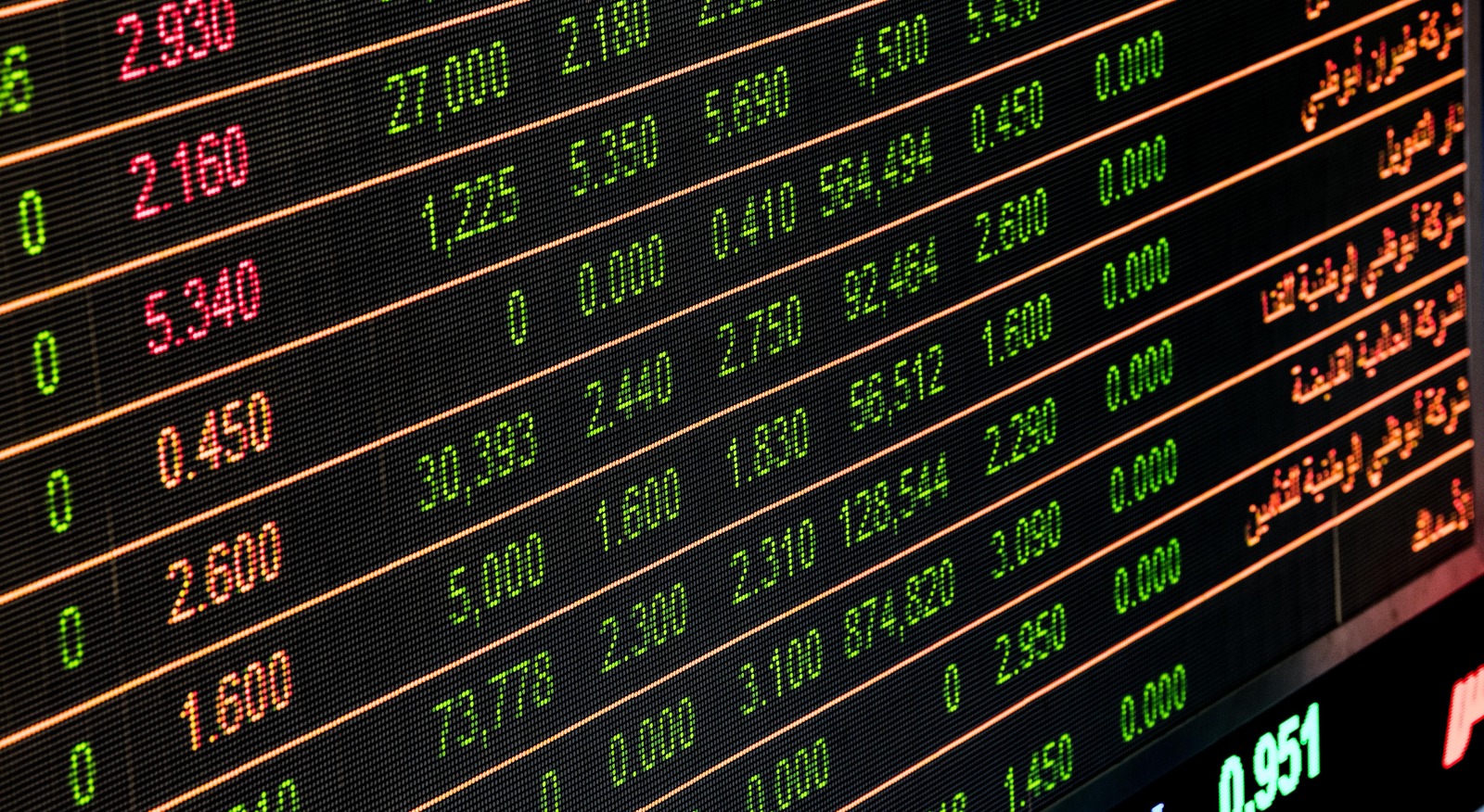
The dollar index stood around 101.08 on Thursday, near its highest level in two months. The euro weakened towards $1.1384, while sterling remained close to a three-month low of $1.3240 as the dollar's recent gains extended across major currencies.
The latest advance follows stronger US business activity data that fuelled concerns about renewed price pressures. A robust purchasing managers' reading has encouraged investors to consider the possibility that monetary policy could remain restrictive for longer than previously anticipated.
US Treasury markets have reinforced that shift. Two-year Treasury yields, which are particularly sensitive to expectations for central bank policy, reached their highest level since May 2024 following a sharp increase in yields across the curve.
The dollar has also benefited from weaker sentiment towards riskier assets. Equity markets have faced pressure from rising bond yields, while geopolitical uncertainty surrounding the Middle East has increased demand for currencies and assets perceived as relatively defensive.
Higher oil prices are adding another dimension to the currency outlook. Brent crude has remained above $100 a barrel as diplomatic efforts involving the United States and Iran show limited progress, creating additional inflation risks for major economies.
The stronger dollar has consequences beyond foreign-exchange markets. A sustained appreciation can increase the cost of dollar-denominated imports and debt for emerging economies, while affecting commodity prices, corporate earnings and international capital flows.
At the same time, a stronger US currency can reinforce financial conditions by making dollar funding more expensive for borrowers outside the United States.
For businesses and investors, the direction of the dollar will therefore depend increasingly on the interaction between US economic resilience, inflation, Federal Reserve policy and global geopolitical developments. Markets are likely to remain sensitive to incoming economic data as investors assess whether the current dollar rally represents a temporary repricing or a more sustained shift in global monetary expectations.