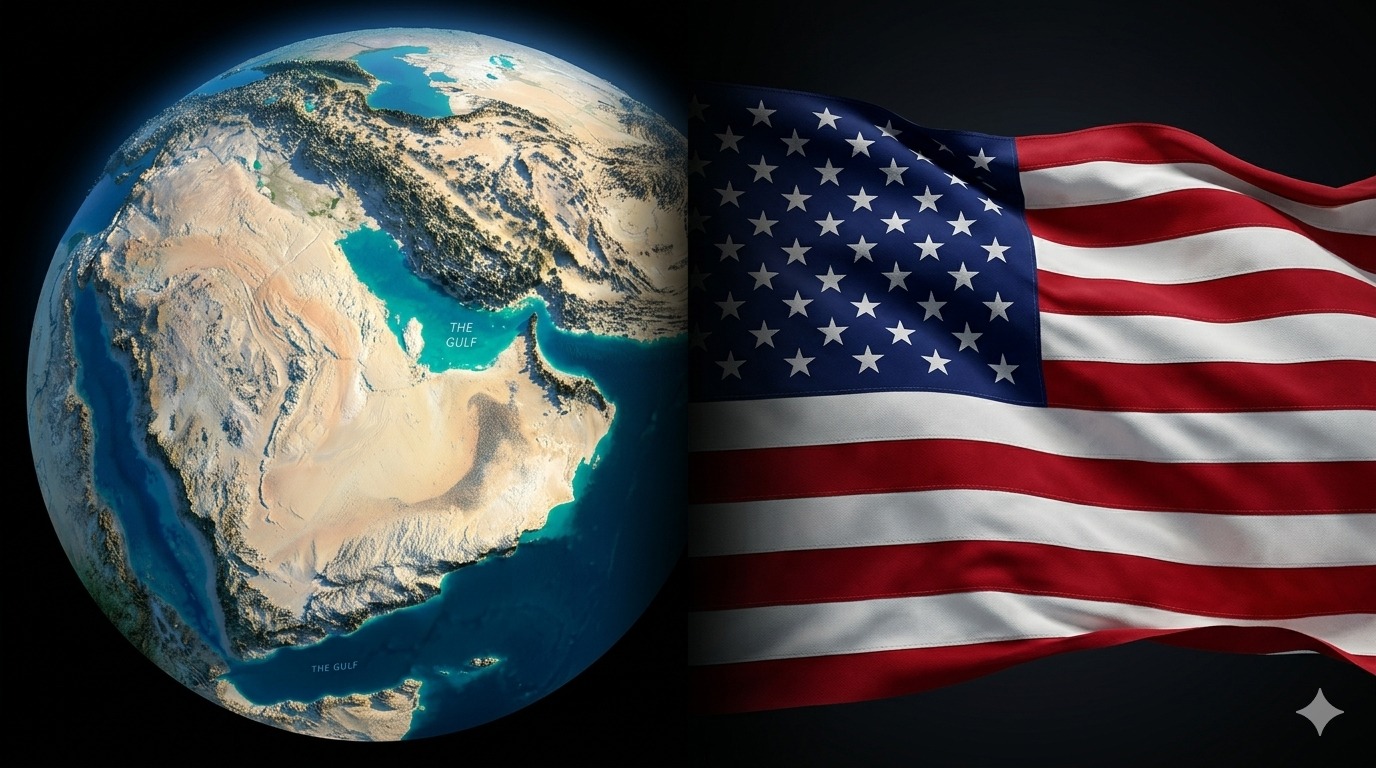
The effort follows recent tensions in the Middle East that triggered volatility across commodity markets and raised concerns about the security of critical maritime corridors. Although energy markets have stabilised in recent days, governments and businesses remain cautious about the possibility of renewed escalation.
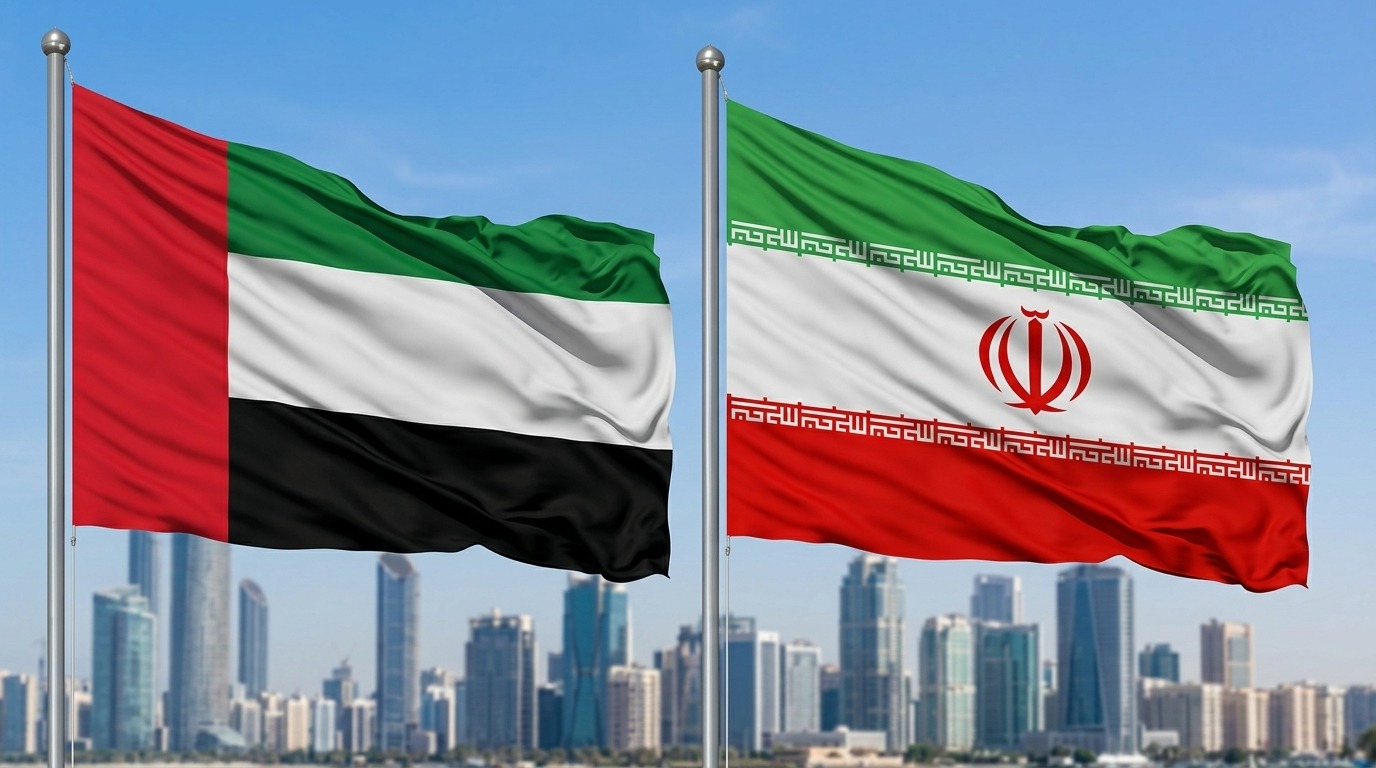
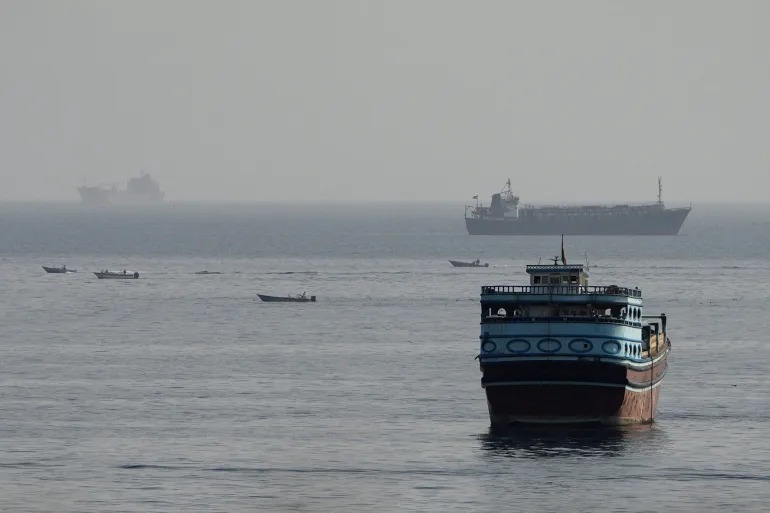
Diplomatic activity has increasingly focused on reducing the risk of disruptions to shipping routes and energy infrastructure that play a central role in global economic activity. The Strait of Hormuz remains one of the world's most strategically important trade corridors, making regional security a matter of significant concern for investors and policymakers alike.
Analysts note that geopolitical developments are now being evaluated not only through a security lens but increasingly through their economic implications. Energy prices, inflation expectations, investment decisions and supply-chain resilience have all become closely linked to developments in the Gulf.
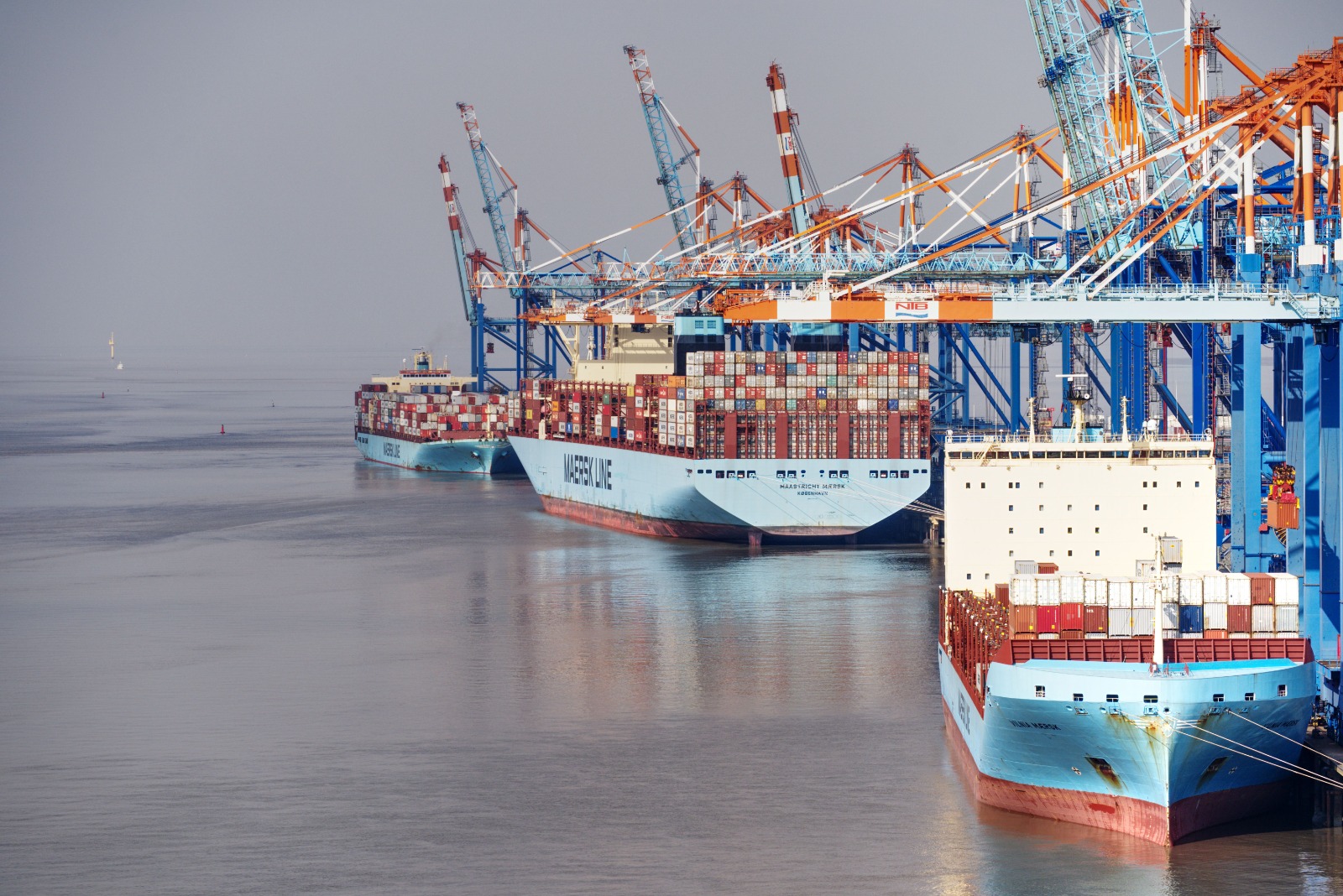
For multinational companies, stability in the region remains essential to operational planning. Energy-intensive industries, transportation providers and manufacturers continue monitoring developments as they assess procurement strategies and future investment decisions.
Financial markets have responded positively to signs of diplomatic engagement, viewing de-escalation efforts as a potential safeguard against renewed inflationary pressures linked to energy costs. However, investors remain mindful that geopolitical risks can re-emerge rapidly.
Governments across Europe, Asia and North America are also strengthening coordination efforts aimed at preserving trade continuity and protecting critical infrastructure. The growing emphasis on diplomacy reflects recognition that economic stability increasingly depends on geopolitical predictability.
For policymakers, the challenge extends beyond conflict prevention. Ensuring confidence among investors, businesses and consumers has become an essential component of modern diplomatic strategy.
As global markets continue responding to developments in the region, the effectiveness of diplomatic efforts may play an increasingly important role in shaping economic outcomes far beyond the Middle East.