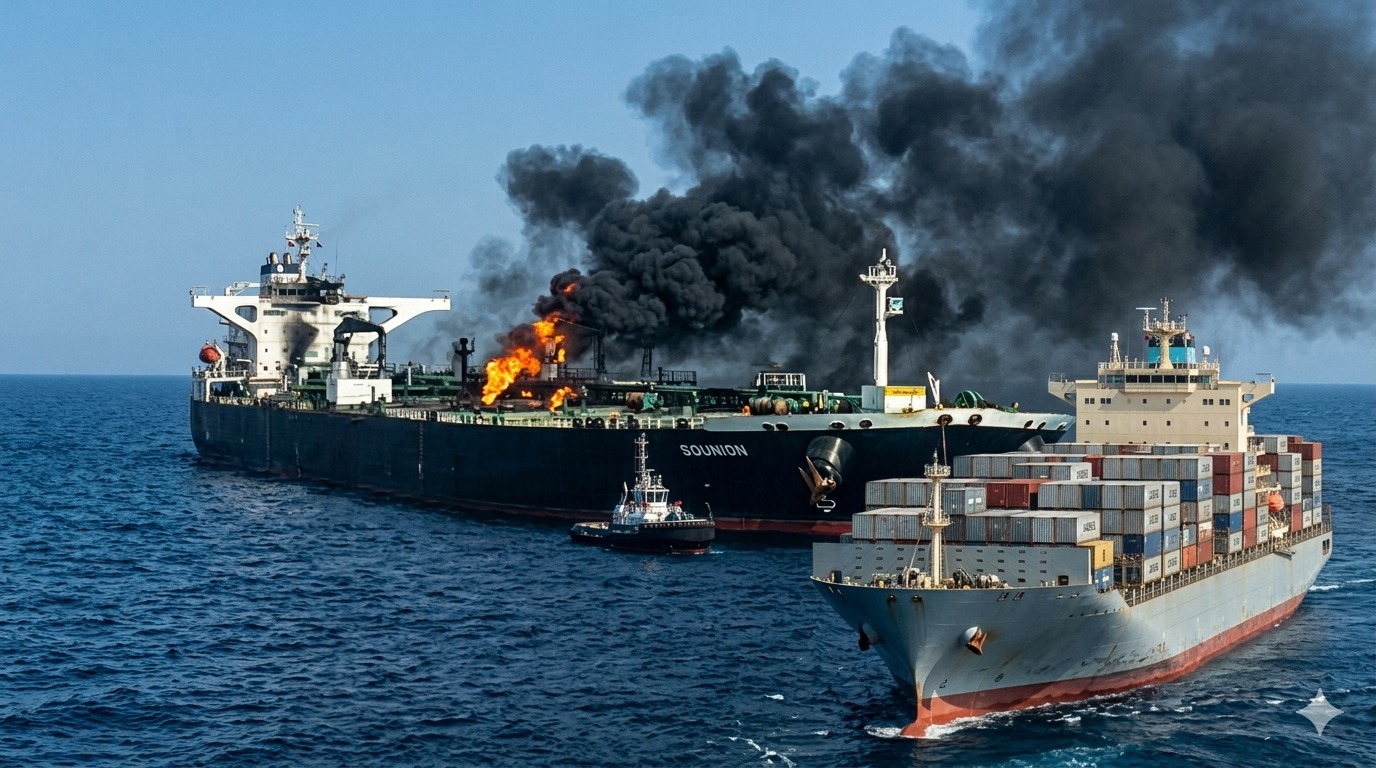
Although crude prices have eased from recent highs, uncertainty surrounding shipping routes, regional security and diplomatic relations continues to shape corporate decision-making across sectors including energy, manufacturing, logistics and finance.
Multinational companies are expanding geopolitical risk assessments as part of investment planning, with greater emphasis on supply-chain resilience, energy security and market diversification. Executives say contingency planning has become a permanent feature of corporate governance rather than an emergency response.
Financial markets have also adjusted. Investors remain attentive to geopolitical developments that could affect commodity prices, inflation expectations and global trade flows, even during periods of reduced market volatility.
Energy-importing economies continue evaluating strategies to reduce exposure to supply disruptions through infrastructure investment, renewable energy expansion and diversified procurement arrangements.
Analysts say the conflict has accelerated broader structural changes already underway in global commerce. Companies are increasingly adopting regional production models, expanding strategic inventories and investing in digital supply-chain monitoring to strengthen operational resilience.
Governments, meanwhile, continue coordinating diplomatic and economic responses aimed at maintaining market confidence and protecting critical trade corridors.
Institutional investors are also incorporating geopolitical scenarios into long-term portfolio allocation, recognising that political developments now exert greater influence over asset valuations than in previous economic cycles.
For business leaders, the challenge extends beyond energy markets. Persistent geopolitical uncertainty affects insurance costs, transportation planning, investment timing and access to international markets.
The evolving landscape highlights a broader transformation in executive decision-making: geopolitical intelligence has become a core component of business strategy, influencing investment, operations and risk management across the global economy.