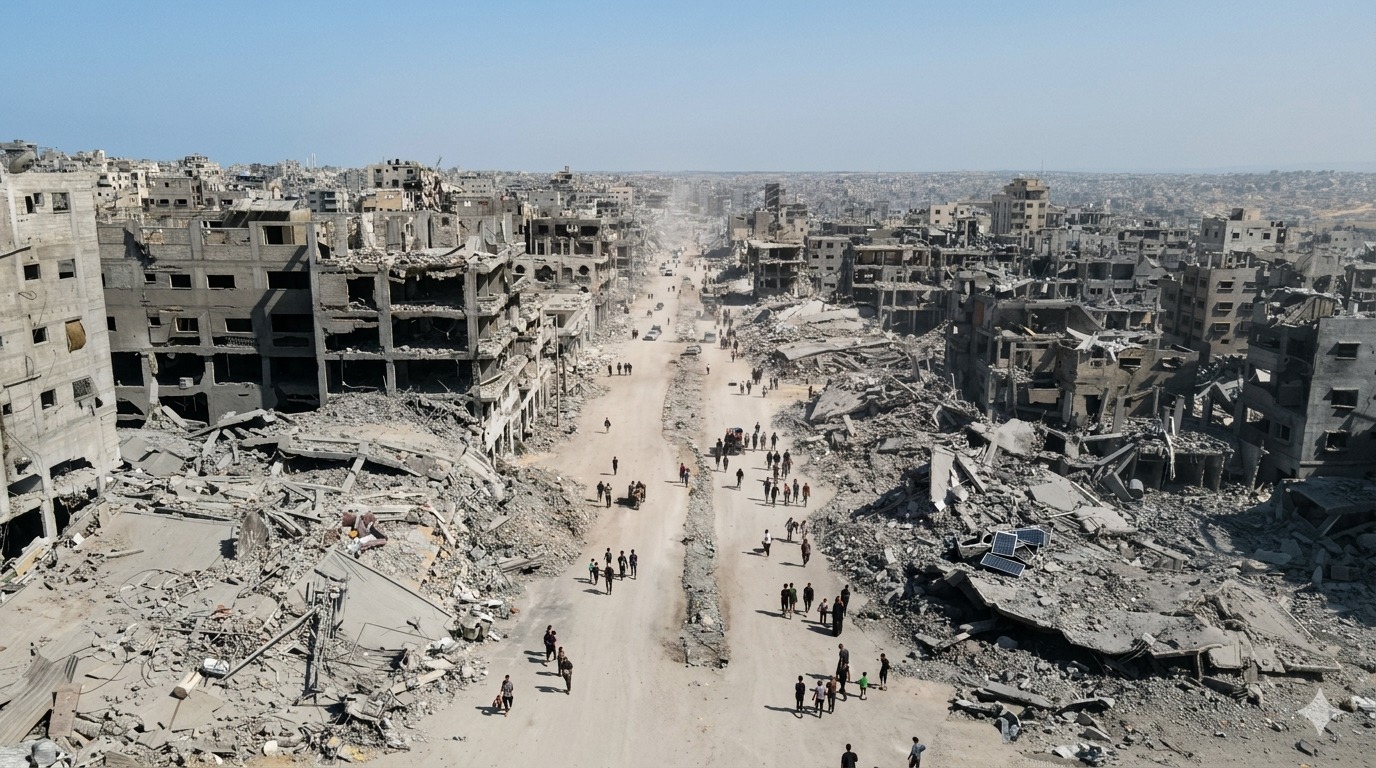
The framework agreement has generated cautious optimism among international organisations that have long warned about the economic and social consequences of instability. Improved security conditions could facilitate the movement of aid, strengthen commercial activity and support efforts to restore livelihoods affected by regional uncertainty.
Relief agencies say access to vulnerable populations remains a priority, particularly in communities that have experienced economic disruption linked to rising energy costs, supply-chain challenges and broader geopolitical instability.
Beyond immediate humanitarian concerns, international institutions are increasingly focused on the relationship between stability and economic recovery. Analysts note that prolonged uncertainty often affects employment, trade and investment, creating challenges that extend well beyond conflict zones.
Several development organisations have emphasised the importance of rebuilding economic resilience through investment in infrastructure, healthcare, education and local enterprise. Such measures are viewed as essential for supporting long-term stability and reducing vulnerability to future shocks.
Economists say the economic dimension of humanitarian recovery is receiving greater attention as governments and institutions recognise the link between prosperity and social stability. Improved trade flows and reduced market volatility could create opportunities for broader recovery efforts.
Businesses operating in affected regions are also monitoring developments. Greater stability may encourage investment, improve access to financing and support commercial activity that contributes to employment and economic growth.
While challenges remain, international organisations view the latest diplomatic progress as an opportunity to strengthen both humanitarian outcomes and economic resilience.
For policymakers, the focus increasingly centres on ensuring that diplomatic gains translate into meaningful improvements in living conditions, economic opportunity and institutional stability across the region.