The concern comes as governments and aid agencies continue monitoring the impact of changing climate patterns on agricultural production, water availability and rural livelihoods. Experts warn that extreme weather events could affect harvests, supply chains and food affordability in several developing economies.
Food security has become an increasingly complex challenge as climate risks intersect with economic pressures, including inflation, rising transportation costs and fiscal constraints. In many regions, vulnerable populations are already facing difficulties accessing affordable food and essential services.
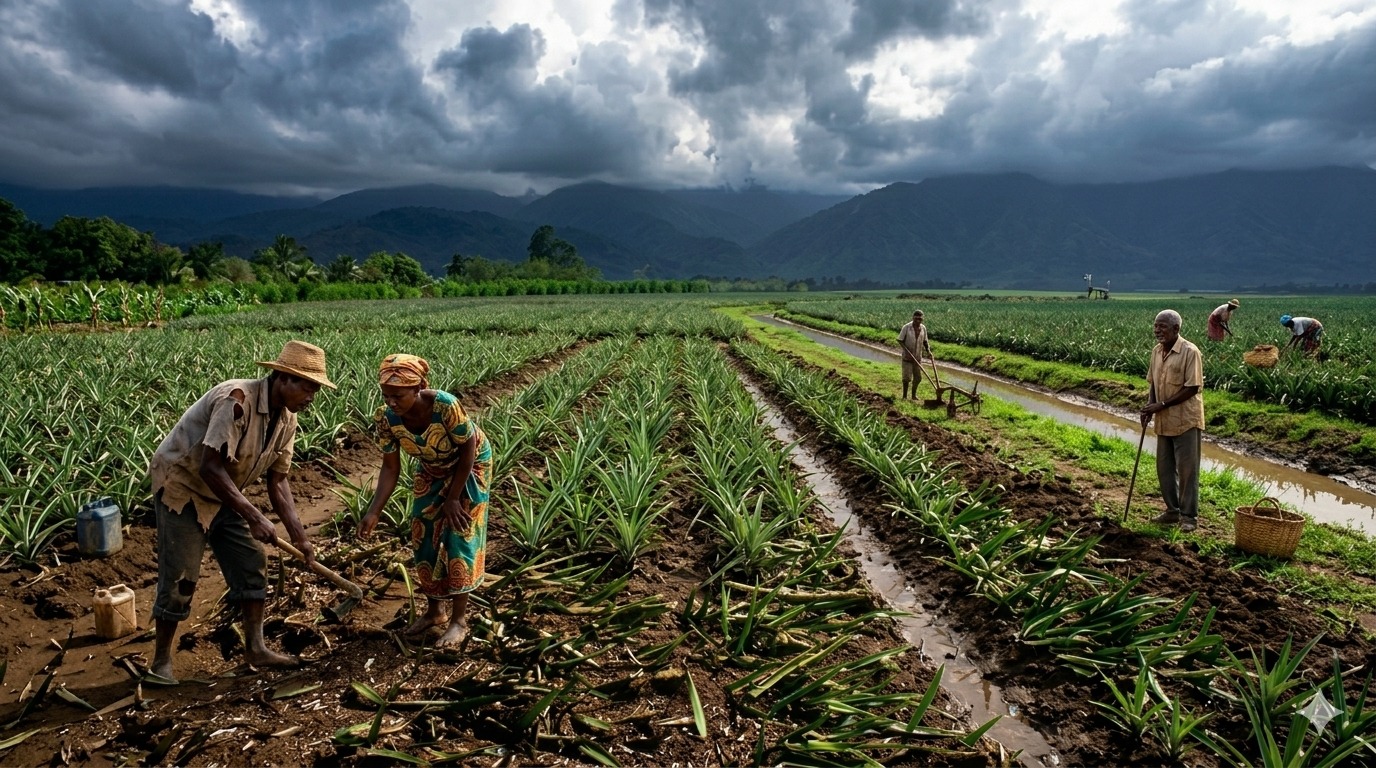
Agricultural producers remain particularly exposed to weather-related disruptions. Reduced crop yields, drought conditions and changing rainfall patterns could affect both domestic food supplies and international commodity markets, placing additional pressure on prices.
Humanitarian agencies emphasize that food insecurity extends beyond agricultural production. Economic instability, conflict, infrastructure limitations and supply-chain disruptions can significantly affect access to food, particularly among lower-income households.
Governments are responding through a combination of emergency preparedness measures, agricultural investment programmes and efforts to strengthen climate resilience. International institutions are also expanding support for adaptation initiatives aimed at reducing long-term vulnerability.
Economists note that food security increasingly represents both a humanitarian and economic issue. Rising food costs can affect household spending, labour productivity and broader economic stability, particularly in countries where food expenditures account for a large share of household income.
Investors and policymakers alike are paying closer attention to climate-related risks as they evaluate agricultural markets, commodity prices and development priorities.
The growing focus on food security reflects a broader recognition that climate resilience is becoming an essential component of economic resilience. The ability of governments and institutions to manage these interconnected challenges may significantly influence development outcomes in the years ahead.