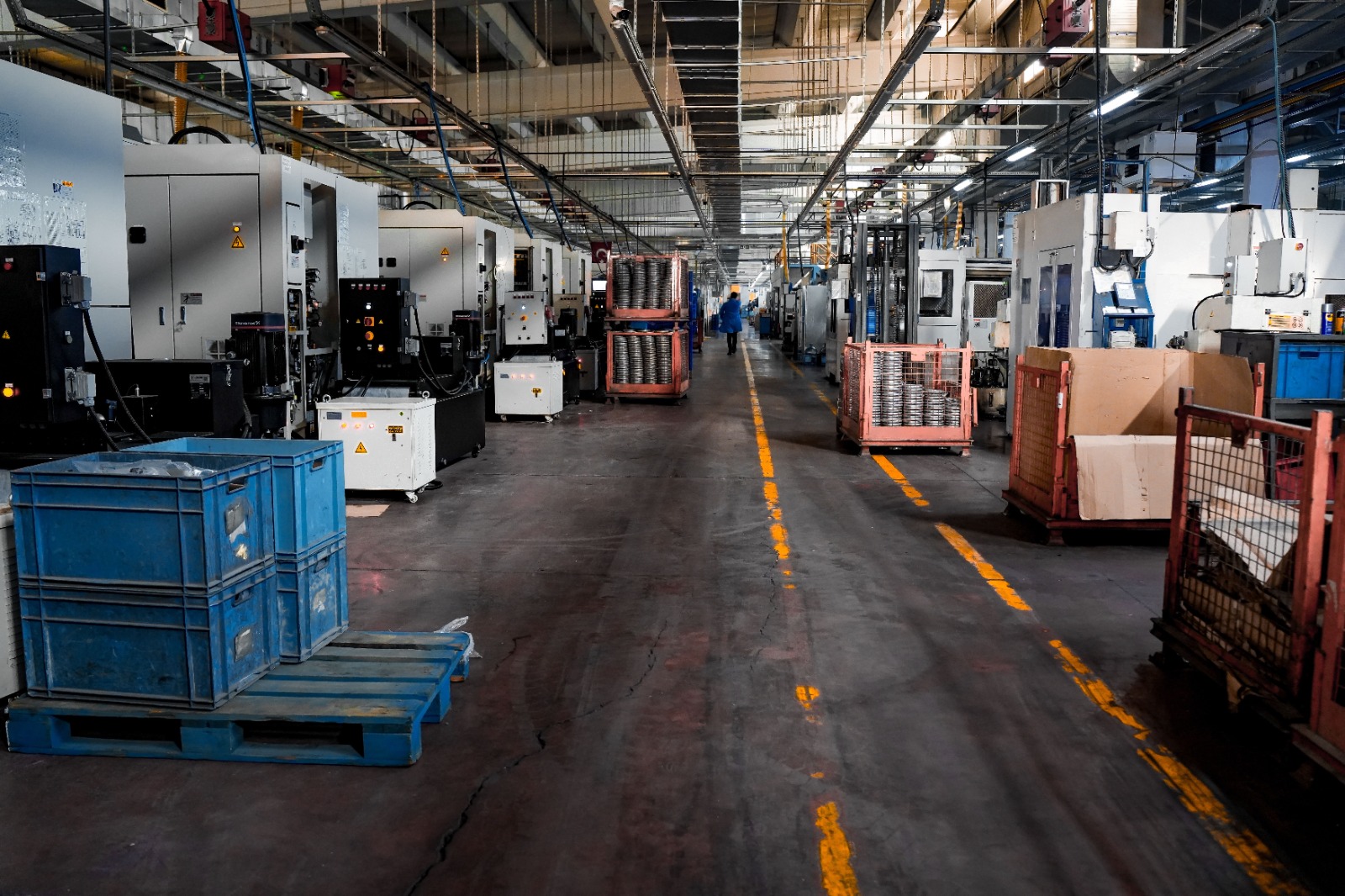
The S&P Global flash composite PMI rose to 51.0 from 51.3 in July. Although the reading was slightly lower, it remained above the 50-point threshold indicating expansion. Manufacturing provided the main source of improvement, with the sector's PMI rising to 54.1, its highest level in 51 months.
The manufacturing recovery is significant for Germany because industrial production remains central to the country's export model and supply chains. Improvements in factory orders and business expectations could support investment if companies become more confident about future demand.
Services remain a constraint. The sector's PMI fell to 48.5, representing its fifth consecutive month of contraction and its fastest decline since May. The divergence suggests that Germany's recovery is not yet broad-based.
There were nevertheless signs of improvement in the labour market. Overall employment stabilised as hiring in services and a slowdown in factory job losses offset previous declines. Business expectations also improved to their highest level since before the US-Israeli conflict began in February.
The figures arrive as German companies contend with higher energy costs, geopolitical uncertainty and changes in global trade patterns. A sustained manufacturing recovery could strengthen corporate investment and export performance, but renewed energy inflation could limit those gains.
For policymakers, the data offer a mixed assessment. Stronger manufacturing activity could support growth, while weak services demand indicates continued pressure on domestic economic activity.
Investors will be watching whether the manufacturing rebound translates into sustained increases in orders, employment and capital spending. The performance of services will also determine whether Germany's expansion broadens beyond its industrial base.
The latest figures therefore point to an economy showing signs of stabilisation, but not yet a fully established recovery.