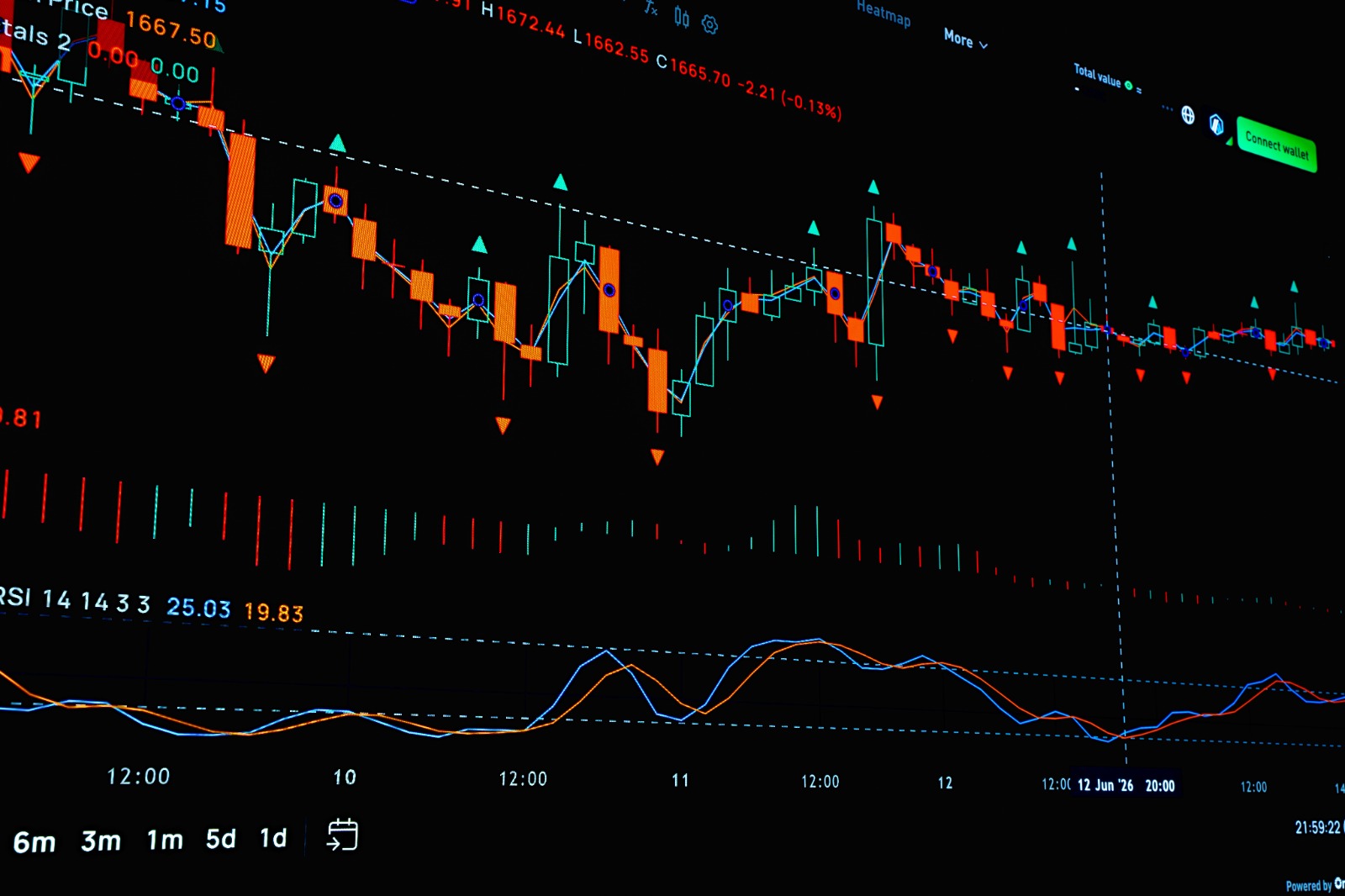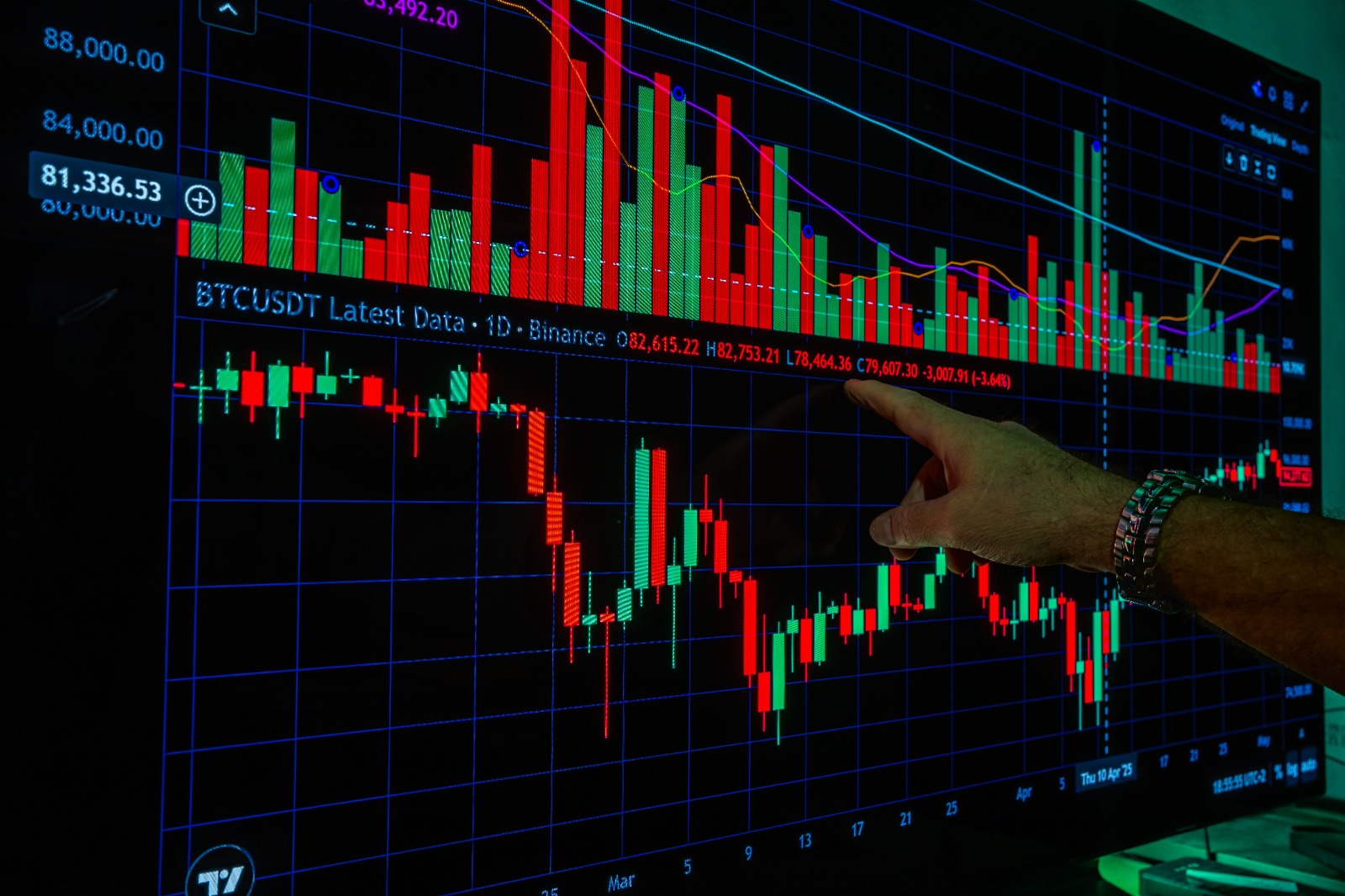

The US 30-year Treasury yield reached about 5.34% during the week, its highest level since 2007, while the 10-year yield moved above 4.7%. Treasury Secretary Scott Bessent's efforts to support the long-term bond market provided only temporary relief before yields moved higher again.
The pressure reflects several factors. US government debt has surpassed $40 trillion, while annual interest payments have risen above $1 trillion. Investors are increasingly focused on whether fiscal policy can contain borrowing requirements at a time when long-term financing costs are already high.
Higher oil prices add another complication. Crude approaching $95 a barrel raises the possibility of renewed inflationary pressure, particularly through transport and energy-intensive industries. That could make monetary easing more difficult if price pressures prove persistent.
The effects are global because US Treasury securities form the benchmark for borrowing costs across international financial markets. Higher Treasury yields can influence corporate bond pricing, mortgage rates, emerging-market financing and equity valuations.
Technology companies are particularly exposed because the sector's valuations depend heavily on expectations of future cash flows. Higher discount rates can reduce the present value investors assign to long-term growth.
For governments and businesses, the implications extend beyond financial markets. Infrastructure projects, corporate acquisitions and capital-intensive expansion plans become more expensive when long-term financing costs rise.
Investors are therefore watching whether Treasury yields stabilise or establish a new higher trading range. The Federal Reserve's upcoming policy signals, inflation data and the government's fiscal trajectory will be critical indicators.
The central question is whether the bond-market pressure represents a temporary adjustment or a broader repricing of US fiscal and inflation risk.