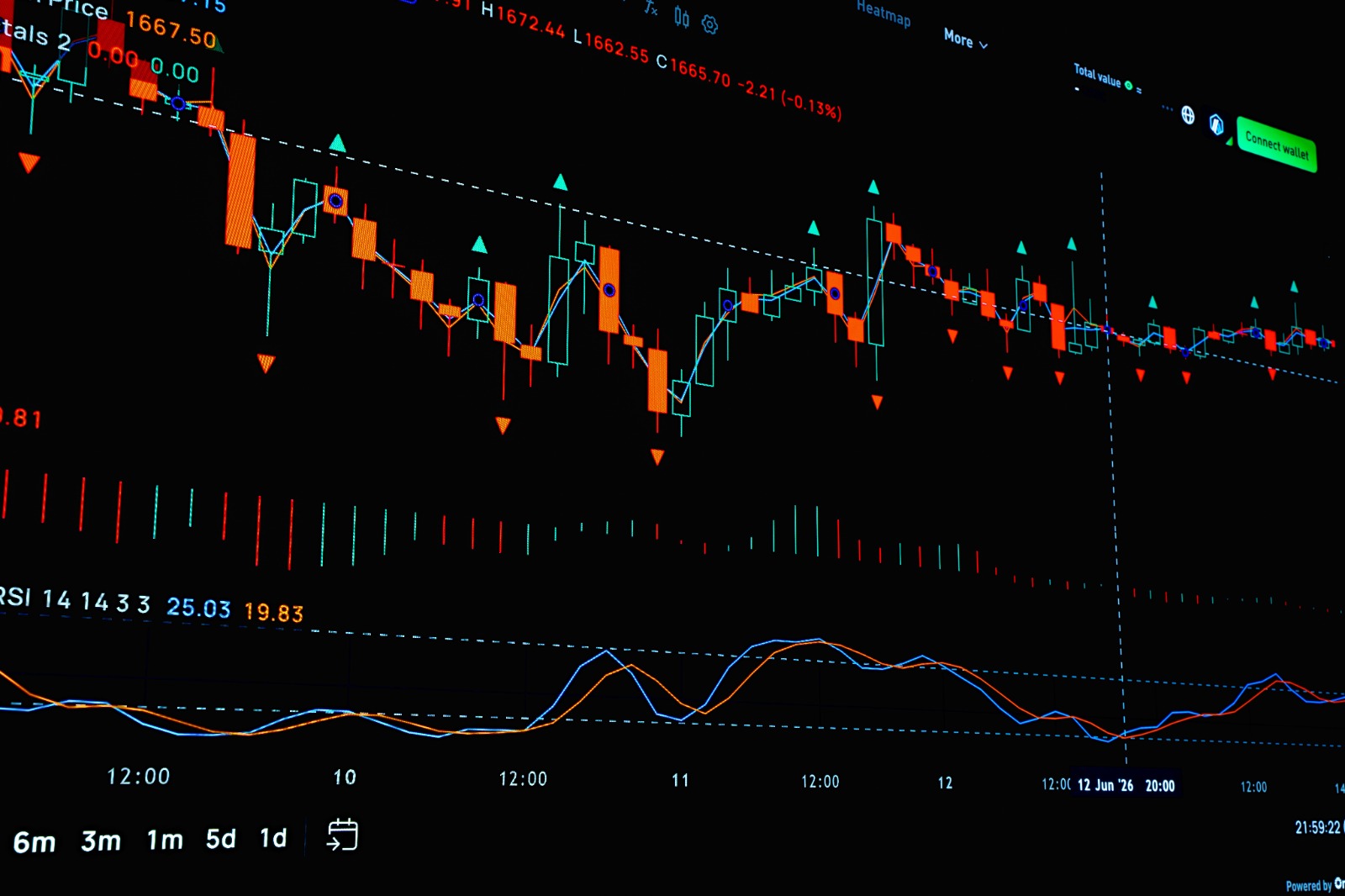
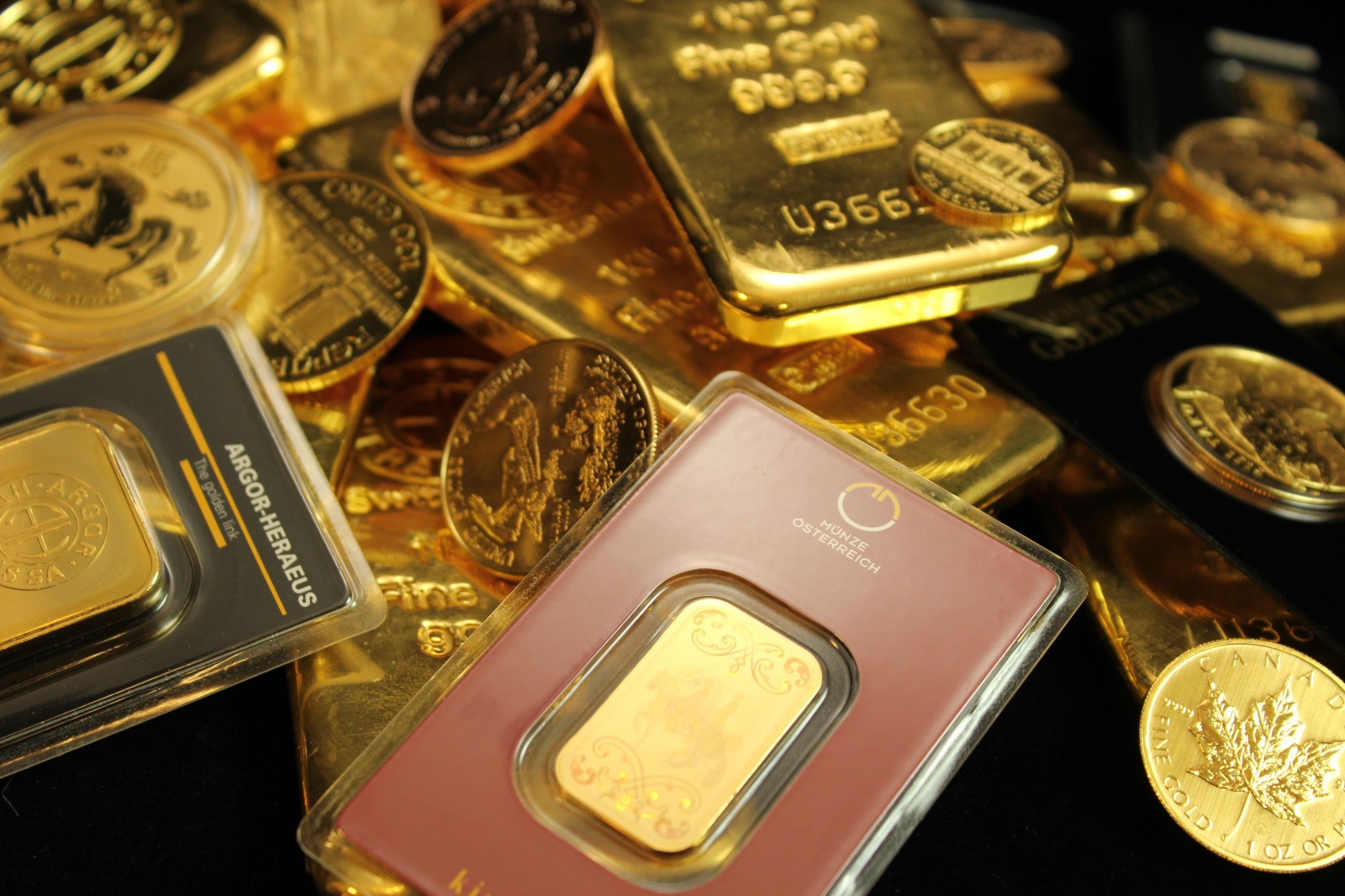
Spot gold rose 1.6% to about $4,591 an ounce on Friday and reached an intraday high near $4,601, its highest level since May 15. The metal was on course for a weekly gain of about 4.2%.
The rally has been supported by several factors. The dollar has weakened as investors reassess US fiscal policy and the outlook for government debt. A weaker dollar makes gold cheaper for holders of other currencies, potentially increasing international demand.
Fiscal concerns have also become more prominent. US government debt has exceeded $40 trillion, while long-term Treasury yields have risen sharply. Investors are increasingly considering whether higher debt and interest costs could alter the long-term attractiveness of US assets.
Geopolitical uncertainty is another factor. Continuing tensions around Iran and the Strait of Hormuz have increased demand for assets perceived as defensive during periods of market stress.
Gold's performance is significant for institutional portfolios because it can provide diversification when equities and bonds are simultaneously under pressure. However, the metal does not generate income, meaning its relative attractiveness can decline if real interest rates rise substantially.
Demand has not been uniform. Higher prices have reduced some retail demand in India, while Chinese demand has remained relatively stable.
Investors are now watching the Federal Reserve's Jackson Hole symposium for indications about future interest-rate policy. A more restrictive monetary stance could affect the metal's momentum, while renewed concerns about inflation, fiscal sustainability or geopolitical risk could provide further support.
Gold's rise therefore reflects more than safe-haven demand: it is also a market signal about confidence in currencies, fiscal policy and the stability of traditional asset classes.