The adjustment follows a decline in oil prices as tensions affecting shipping through the Strait of Hormuz appeared to ease, lowering fears of a prolonged energy shock. Financial markets had previously priced in the risk that higher fuel costs could reignite inflation and complicate central-bank efforts to support economic growth.
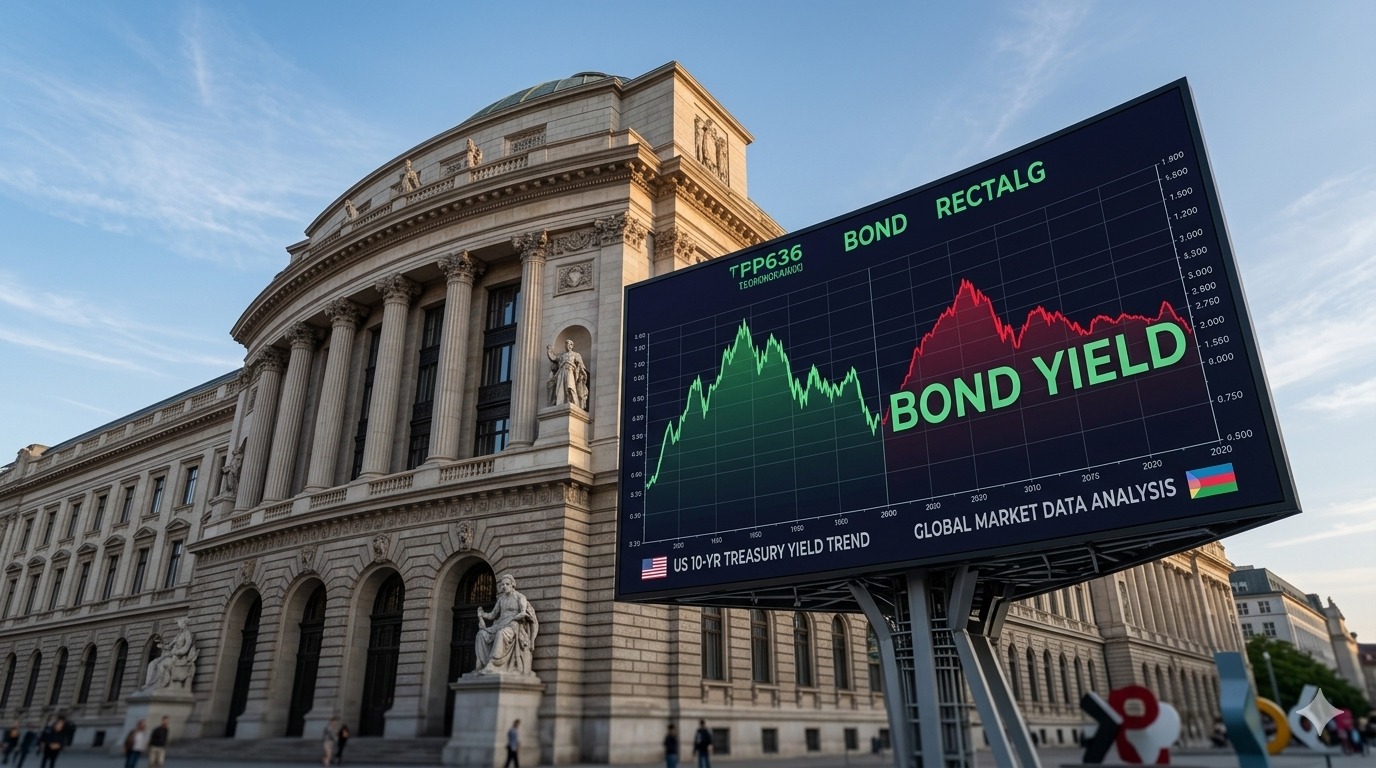
Government bond yields moved lower in several major markets as investors recalibrated expectations for monetary policy. The decline suggests growing confidence that inflationary pressures linked to energy costs may prove less severe than initially feared.
Equity markets also responded positively, with sectors sensitive to energy prices and borrowing costs showing signs of recovery. Consumer-focused businesses, transportation companies and manufacturers were among industries benefiting from improved sentiment.
Market strategists say the latest developments reinforce the growing connection between geopolitical events and financial-market performance. Investors are increasingly assessing how disruptions to trade routes, commodity flows and supply chains can affect inflation, growth and corporate profitability.
The shift in sentiment comes as central banks continue navigating a complex economic environment characterised by uneven growth, elevated debt levels and lingering inflation risks. Any reduction in energy-related pressures may provide policymakers with additional room to focus on supporting economic activity.
Portfolio managers remain cautious, however, noting that geopolitical risks have not disappeared entirely. While market conditions have improved, investors continue monitoring developments in energy markets and global trade routes for signs of renewed volatility.
For businesses and governments, the easing of inflation concerns could help improve financing conditions and support investment planning. The coming weeks will be closely watched for economic data that may determine whether current market optimism can be sustained.
The broader message for investors is clear: energy markets remain a critical driver of financial conditions, and their influence on inflation expectations continues to shape investment decisions worldwide.