
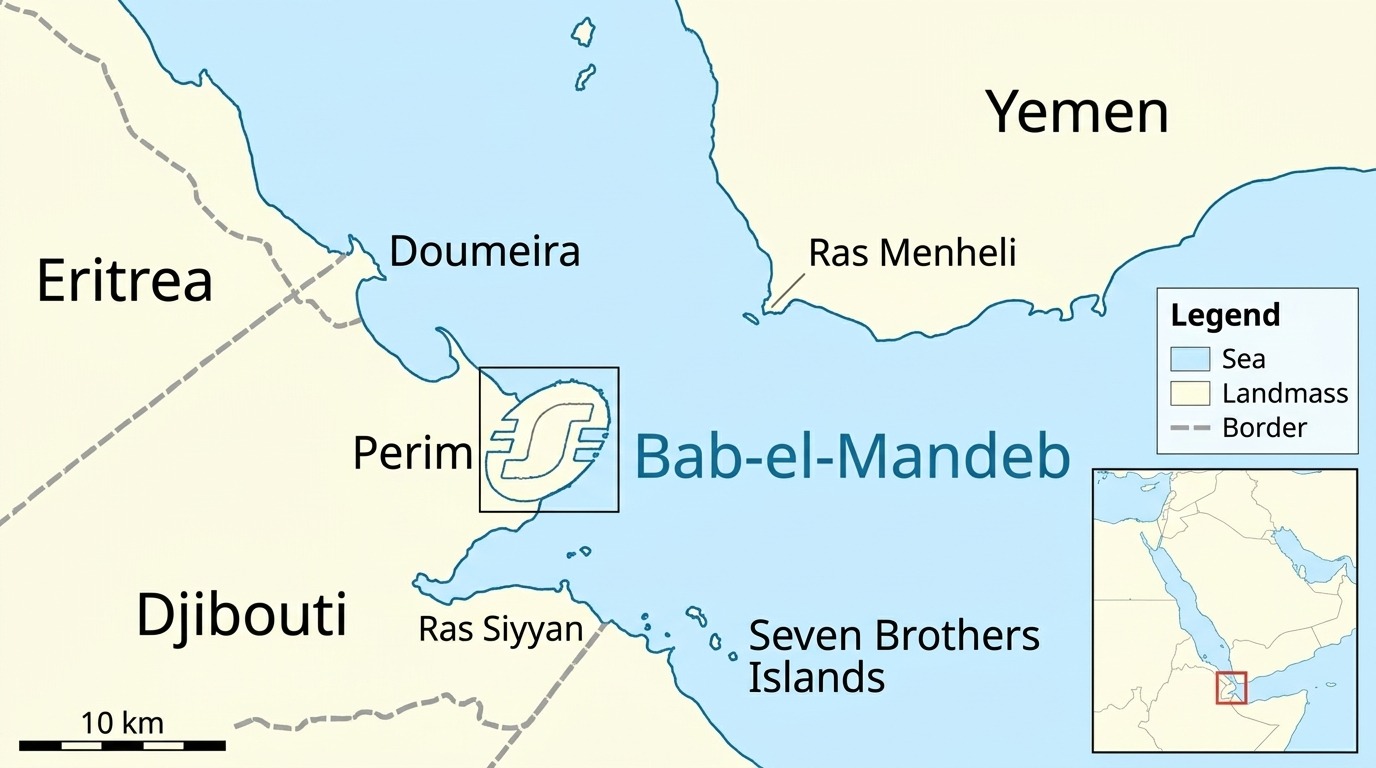
Yemeni government forces have advanced towards the strategic strait with Saudi air support, claiming effective control of key positions around Dhubab and an airstrip near the narrow maritime passage. Fighting, however, remains active, and Houthi forces have disputed government claims of territorial gains.
The escalation has significant implications for global trade and energy markets. Bab el-Mandeb connects the Red Sea with the Gulf of Aden and provides an important route between Europe and Asia. Prolonged instability could force shipping operators to reconsider routes and increase insurance and transportation costs.
The offensive comes as the wider Middle East remains under severe strain. Disruptions around the Strait of Hormuz have already altered energy flows and increased the cost of transporting crude and refined products. A second major maritime pressure point around Bab el-Mandeb could further complicate efforts to restore normal trade patterns.
The Houthis retain the ability to threaten shipping through missiles and drones even if government forces maintain control of coastal positions. Their continued military presence inland therefore leaves commercial vessels exposed to a potentially unpredictable security environment.
The conflict is also expanding beyond the immediate battle for territory. Saudi Arabia's involvement reflects Riyadh's broader effort to prevent attacks on its infrastructure and secure maritime routes, while the Houthis' links with Iran give the conflict wider regional significance.
For international shipping companies, the latest escalation reinforces the need for contingency planning, route diversification and increased security measures. Energy traders are similarly monitoring developments for signs that additional disruptions could increase oil-price risk premiums.
For governments and international organisations, the immediate priority is to prevent the renewed Yemen conflict from becoming linked more deeply to other regional confrontations. The stability of Bab el-Mandeb will remain a key indicator of whether global shipping can gradually return to more predictable operating conditions or face another period of prolonged disruption.