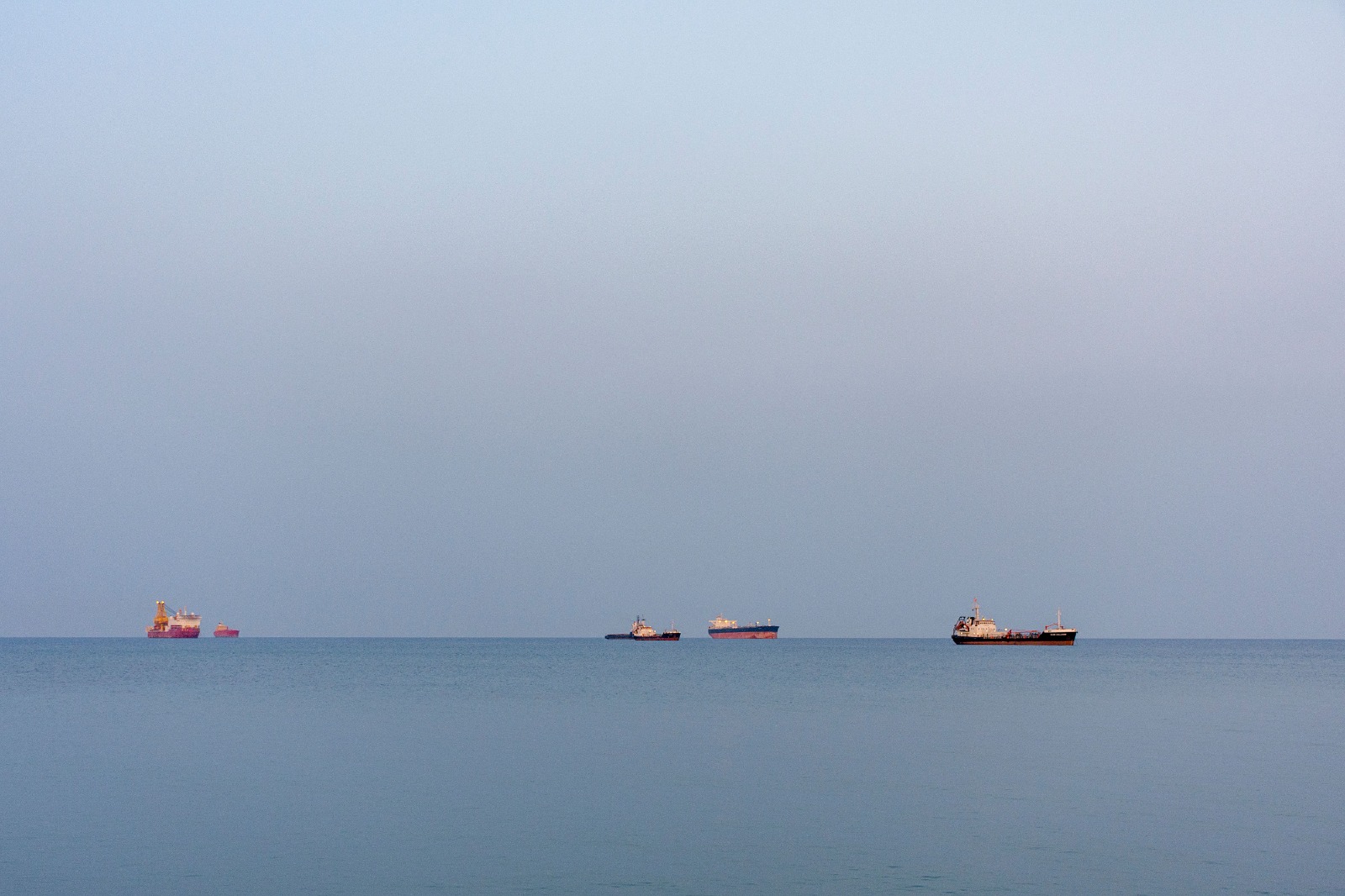
Crude flows through the Strait of Hormuz have recovered significantly, with a seven-day average reaching about 14.2 million barrels per day in late September, roughly 80% of pre-war levels. Middle Eastern exports also exceeded pre-war levels on several days in September as Gulf producers increased shipments.
However, the improvement in physical supply has not translated into a corresponding decline in oil prices. Brent remained above $100 a barrel as the market continued to absorb substantially higher transportation and insurance costs.
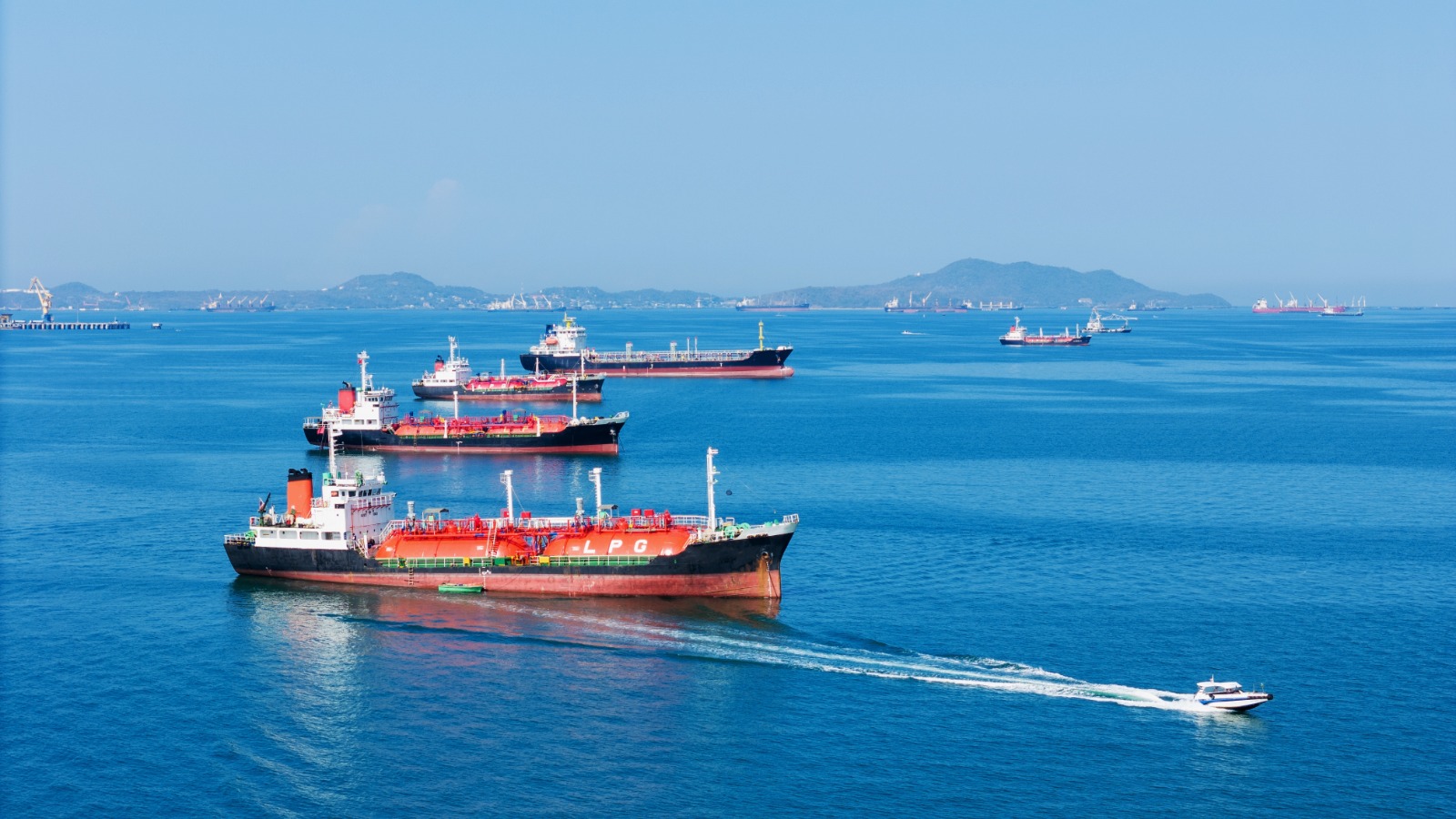
The disruption has transformed shipping economics. Tanker rates for transporting crude from the Middle East to Asia have risen dramatically, while vessels are increasingly required to use more complicated routes and transfer arrangements. Freight costs that previously represented a small proportion of delivered oil prices have consequently become a significant component of the final cost.
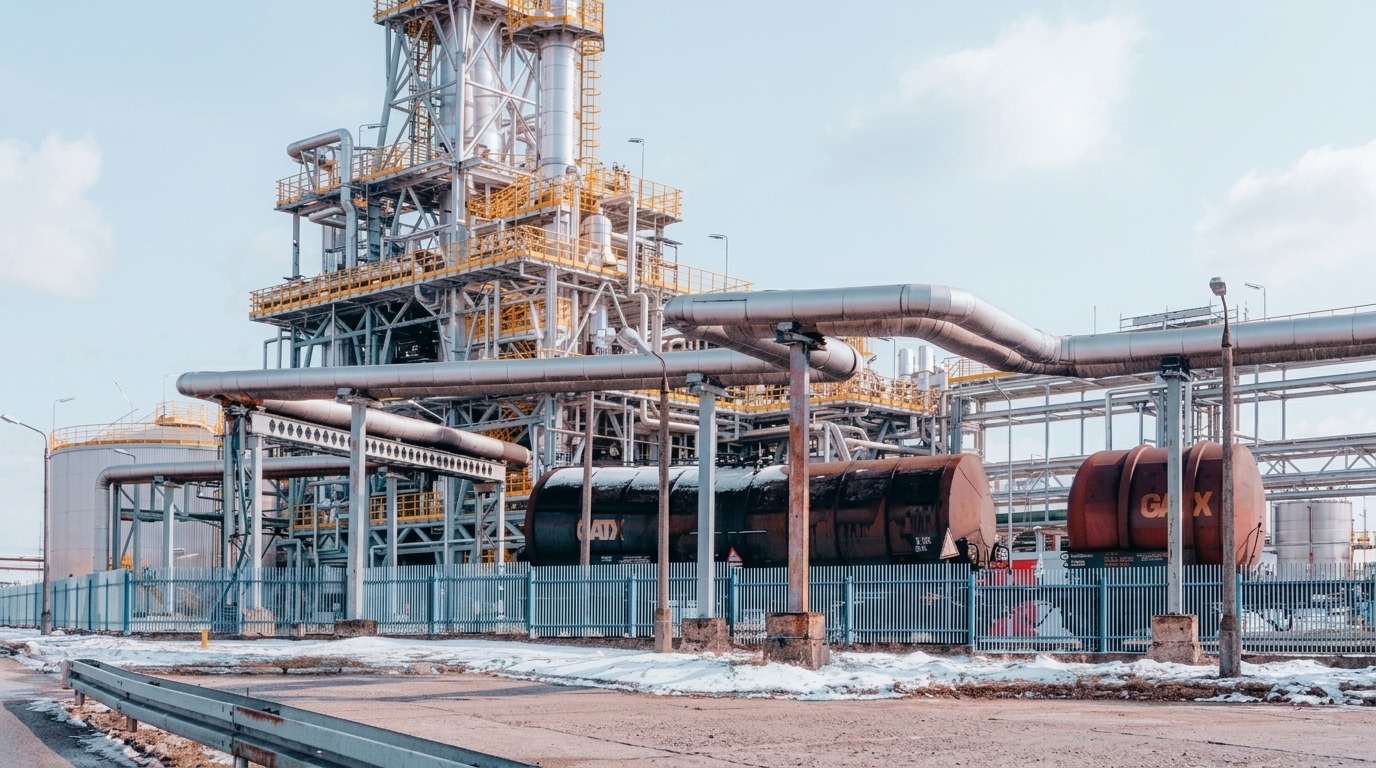
Refining capacity represents another constraint. Damage to refineries in the Middle East and Russia has tightened supplies of refined products, particularly diesel, placing additional pressure on transport, agriculture and manufacturing. Strategic stock releases by the Group of Seven are expected to provide some short-term relief but cannot immediately restore lost refining capacity.
The changing structure of the market means that crude availability alone is no longer sufficient to determine prices. The ability to transport, insure, refine and distribute energy has become equally important.
For energy companies, the disruption is likely to accelerate investment in alternative shipping routes, storage capacity, refining resilience and supply-chain diversification. Governments are also reassessing strategic reserves and infrastructure protection as geopolitical risks increasingly affect commercial energy networks.
For consumers and businesses, the persistence of high logistics costs means energy inflation could remain elevated even if crude production and exports continue recovering. The coming months will therefore test whether global infrastructure can gradually return to normal operating patterns or whether higher transportation and refining costs become a more durable feature of energy markets.