The latest figures were published by the National Bureau of Statistics (NBS) in its October 2026 Consumer Price Index report. The decline of 0.57 percentage points marked the fifth consecutive month of moderation and brought annual inflation 4.91 percentage points below the 18.97% recorded in October 2025.
The improvement suggests that the pace of annual price increases is slowing, although the overall cost of living remains significantly higher than in previous years. Food inflation continued to be a major concern, standing at 19.13% during the month.
The figures also revealed a less favourable development in monthly price movements. Month-on-month headline inflation increased to 0.43% in October from 0.06% in September, indicating that consumer prices rose more quickly during the latest reporting period.
This distinction is important because a decline in annual inflation does not necessarily mean that prices are falling. Rather, it indicates that prices are increasing at a slower rate compared with the corresponding period a year earlier.
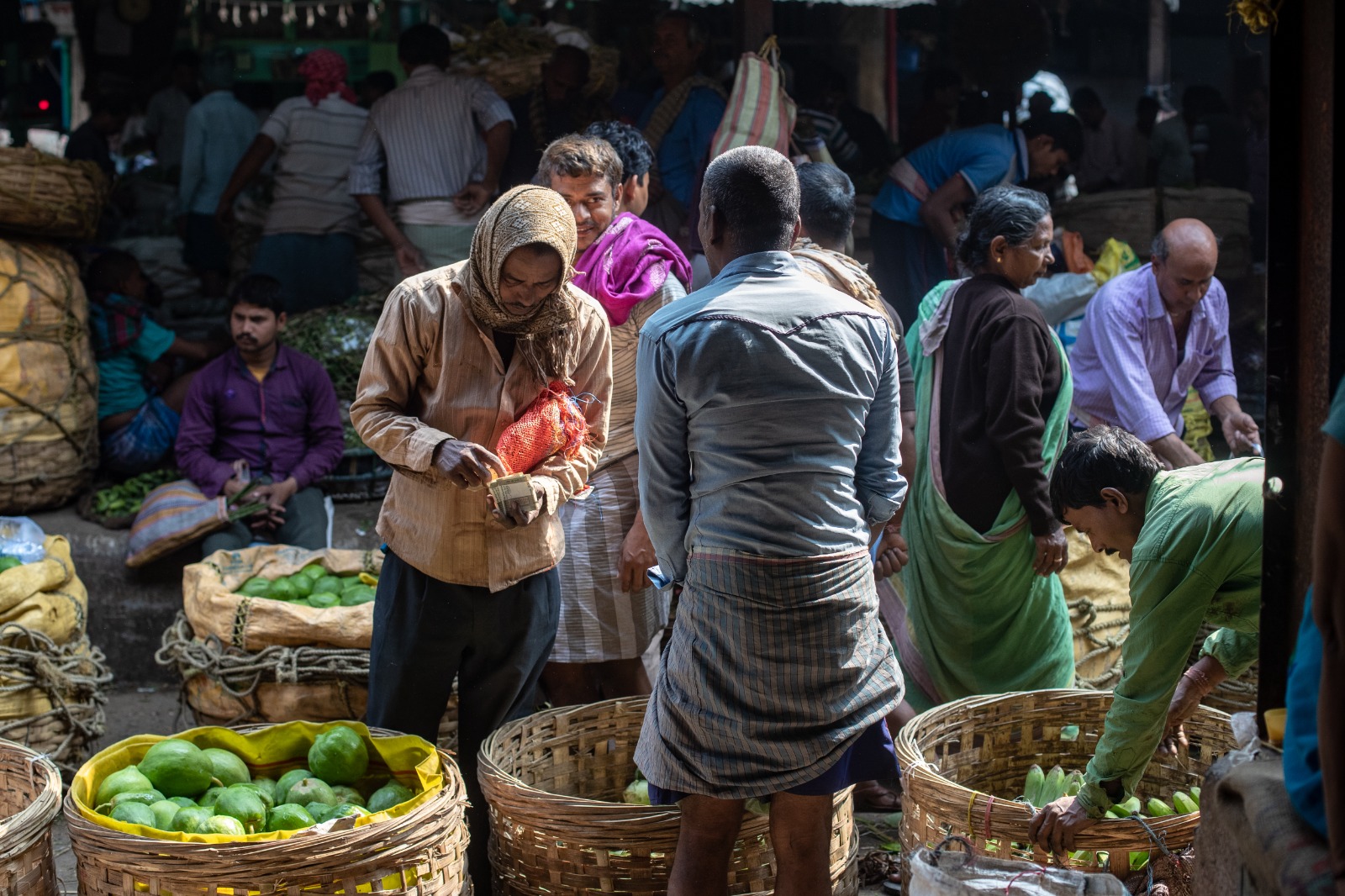
For Nigerian households, food prices remain a particularly important component of inflationary pressure because of their direct effect on disposable income and purchasing power. Higher food costs can also influence wage demands, household savings, and spending on non-essential goods and services.
Businesses face related challenges as changes in input prices affect production expenses, transportation, inventory management, and consumer demand. Retailers and manufacturers must balance higher operating costs against the spending capacity of customers.
The latest inflation reading may provide additional support for policymakers seeking to maintain price stability, although the increase in monthly inflation suggests that underlying pressures have not disappeared.
The Central Bank of Nigeria will continue to face the challenge of balancing inflation control with the need to support economic activity, investment and access to credit.
For the broader economy, sustained disinflation would improve the environment for household consumption and business planning. However, a durable recovery in purchasing power will depend on continued price stability, stronger domestic production and improvements in food supply and distribution.
The October figures therefore represent progress in slowing annual inflation, but not a complete resolution of the cost-of-living pressures facing Nigerians.