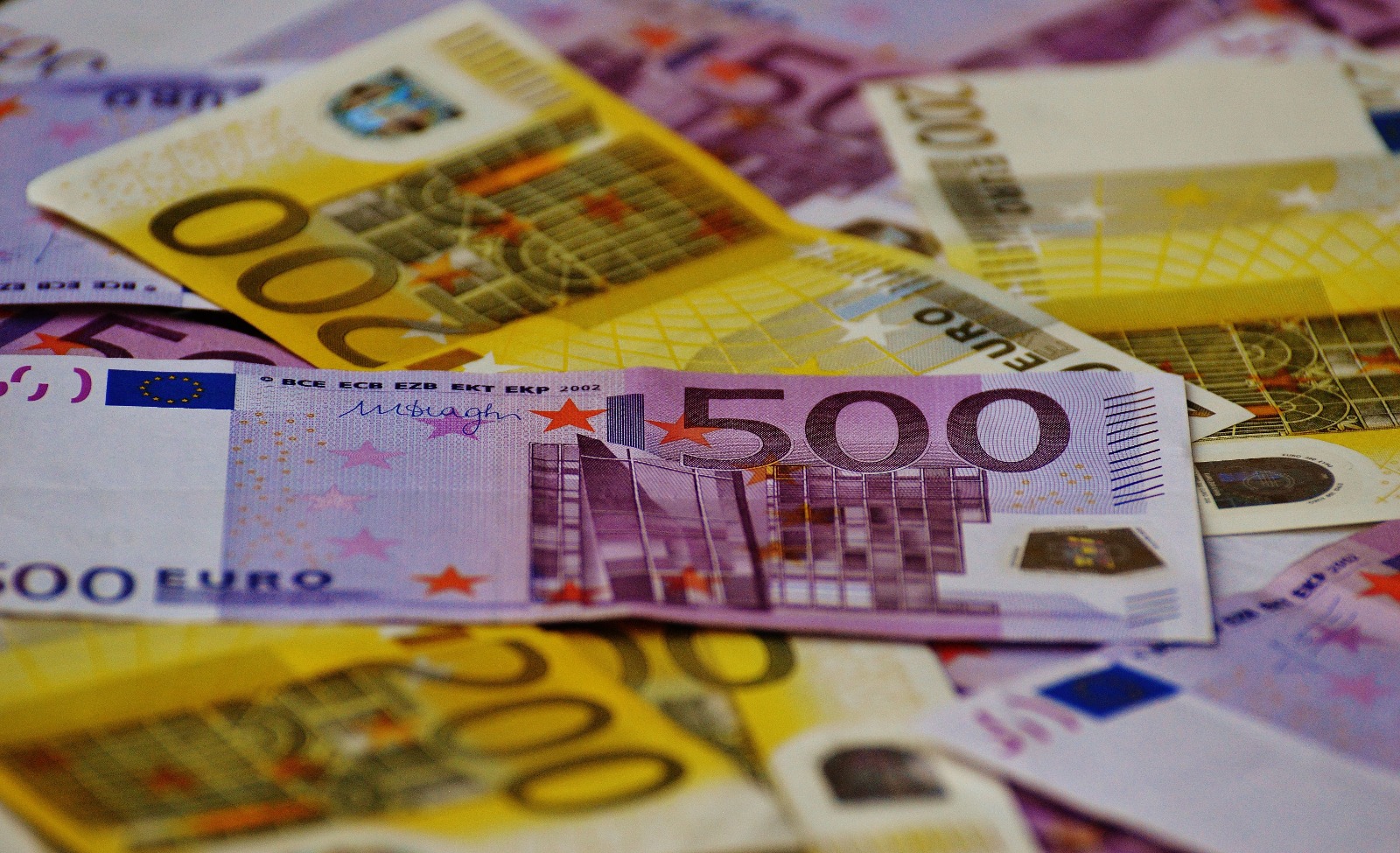
The euro rose about 0.2% to $1.123 during Friday trading, but remained down roughly 0.2% for the week and more than 3% over five weeks. It had touched a 17-month low of $1.1161 on Monday as investors weighed France’s debt position against a comparatively resilient US economy and a stronger dollar.
France has become a focus for euro-area markets because of its large budget deficit, political fragmentation and the approaching 2027 presidential election. Its 10-year government bond yield climbed close to 5% earlier in the week, reaching levels last seen in 2002. Higher yields increase the cost of financing the state and can make investors demand greater compensation for holding French debt.
Euro-area finance ministers and the European Central Bank have urged France to pass a credible 2027 budget to restore confidence. The government has forecast a deficit above 5% of gross domestic product for 2026 and plans to issue a record €340 billion in bonds next year to finance spending and refinance existing obligations. Officials have said French leaders are responsible for resolving the political uncertainty.
Friday’s easing in energy prices helped reduce some pressure on inflation expectations, while lower US yields took momentum from the dollar’s recent advance. That offered the euro temporary support, but traders remained cautious about interpreting a single session’s move as a reversal of the broader trend.
The currency’s performance matters beyond financial markets. A weaker euro can raise the cost of imported energy and other goods, while also improving the price competitiveness of some European exporters. The balance depends on how exchange-rate changes interact with input costs and demand.
Investors are likely to keep a close watch on France’s budget process, bond auctions and signals from the European Central Bank. Unless fiscal concerns ease and confidence stabilises, the euro may remain vulnerable even if near-term energy-price movements provide intermittent relief.