The IEA governing board is due to hold an informal meeting on Wednesday to consider the proposed release, according to two European Union diplomats familiar with the discussions.
The move follows an agreement by the Group of Seven major economies to release 100 million barrels of crude oil and diesel from emergency reserves. The G7 also pledged to avoid imposing energy export restrictions as governments attempt to stabilise international fuel markets.
The precise scale and timing of the release remain uncertain. European and US officials have yet to provide complete details on how much stock each country intends to make available, creating uncertainty for energy traders and refiners.
The discussions come as geopolitical disruption continues to affect major oil-producing and transportation regions. Brent crude has moved back above $100 a barrel as attacks and threats to shipping routes increase concerns over physical supplies.
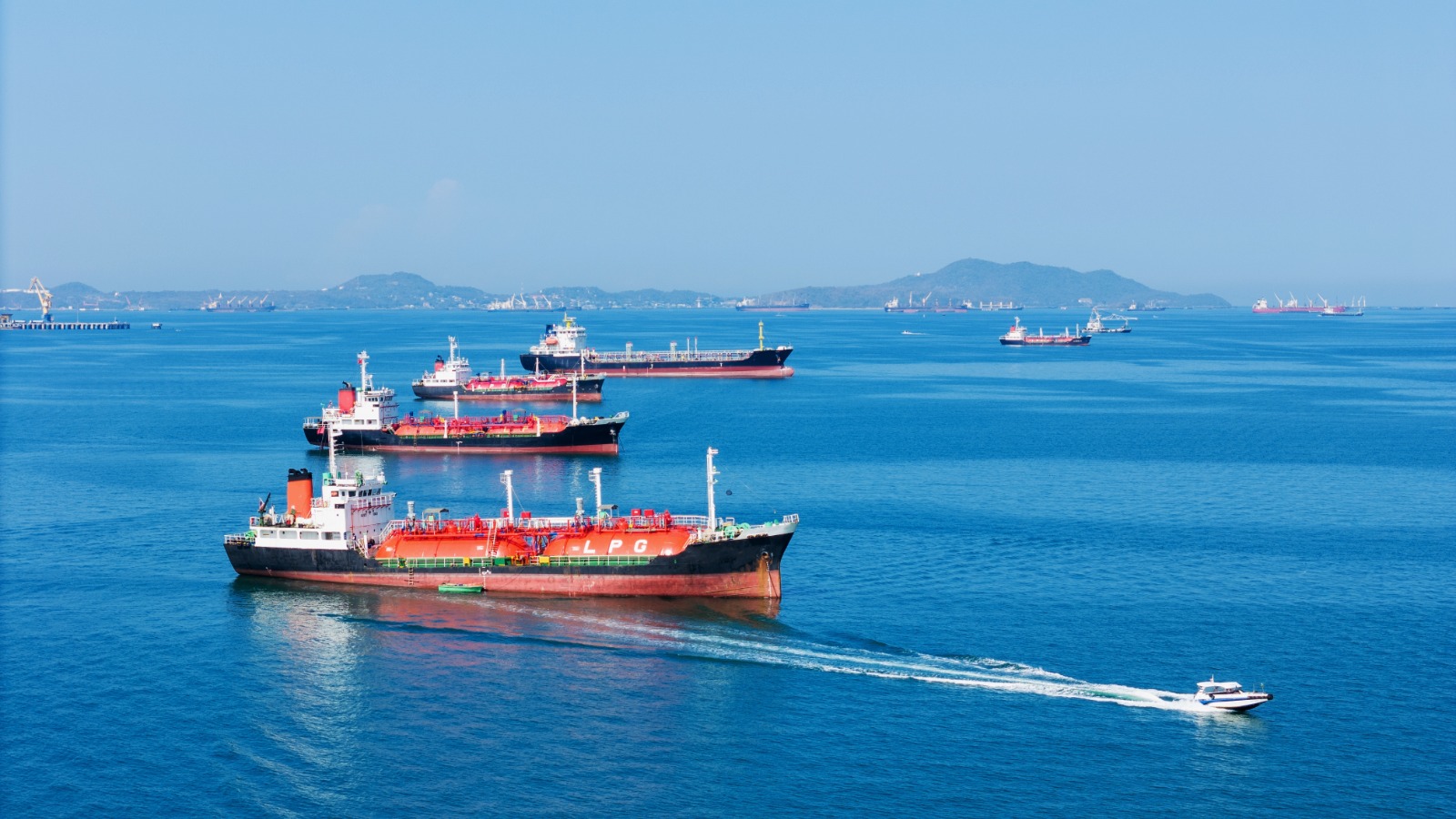
The conflict involving Iran has also affected traffic through the Strait of Hormuz, one of the world's most important energy corridors. Any prolonged disruption to the waterway could place additional pressure on refiners and importing economies.
Diesel markets are particularly exposed because refined-product shortages can quickly affect transportation, agriculture, manufacturing and logistics. Higher diesel costs can also feed into consumer prices by increasing the cost of moving goods.
The emergency stockpile proposal is intended to provide short-term relief while governments work to address longer-term supply disruptions.
However, releasing strategic reserves cannot permanently replace lost production or resolve infrastructure and shipping risks. Its effectiveness will depend on the scale of the release, the speed at which barrels reach the market and the duration of the underlying disruptions.
For energy companies and governments, the latest developments reinforce the importance of maintaining strategic reserves and diversifying supply routes.
The IEA discussions are therefore being closely watched by global energy markets as policymakers attempt to prevent regional supply disruptions from developing into a broader international fuel crisis.