Oil flows from Gulf producers excluding Iran averaged more than 81% of pre-war levels in September, according to Vortexa data. The recovery was led by Saudi Arabia, whose crude shipments increased sharply during the month and helped offset weaker exports from several other producers.
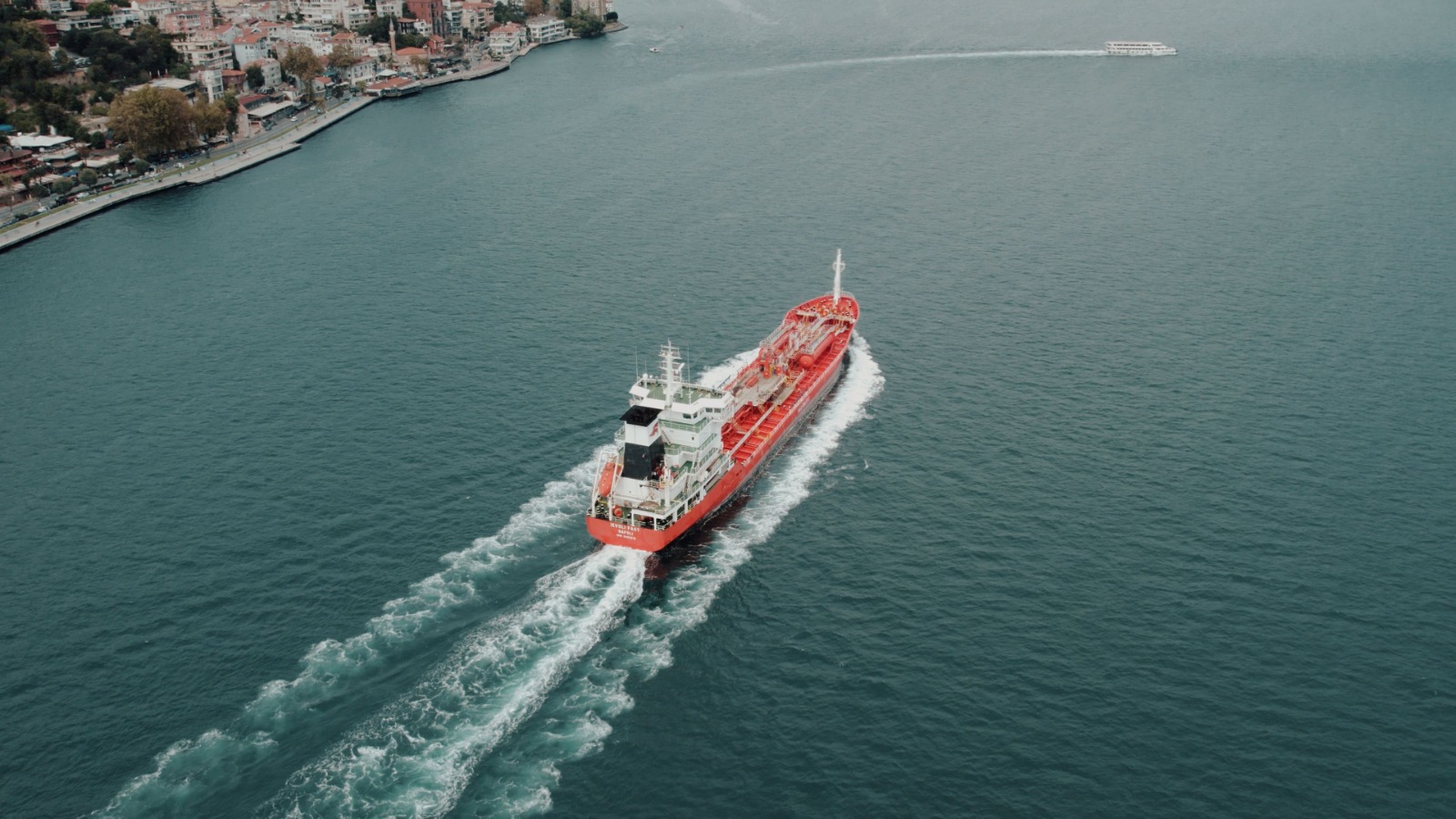
The improvement has been particularly significant because the region remains exposed to attacks on pipelines, shipping and other energy infrastructure. Saudi Arabia was forced to suspend some crude loadings after an attack on its East-West Pipeline, prompting the kingdom to redirect additional volumes through the Gulf and the Strait of Hormuz.
The recovery demonstrates that the strategic importance of the Strait remains closely linked to both security and commercial considerations. Producers have continued moving substantial volumes through the waterway despite the threat of further attacks, while some tanker operators have adopted more complex operating practices to maintain shipments.
Iran's oil exports have fallen sharply, with Reuters reporting that Iranian crude exports reached zero in September according to Kpler data. Other Gulf producers have therefore become increasingly important to international buyers seeking alternatives.
The changing flow of crude is also reshaping Asian procurement. Chinese independent refiners have increased purchases of Iraqi and Qatari crude to replace declining Iranian supplies, with traders reporting purchases of at least 12 million barrels and potentially as much as 20 million barrels.
Yet the recovery remains fragile. Refined-fuel exports have lagged behind crude flows, while shipping and insurance costs remain elevated. Any renewed attacks could therefore have an impact beyond physical supply by increasing the risk premium attached to transportation and delivery.
For governments, energy companies and international shipping operators, the latest developments reinforce the geopolitical importance of diversified routes and resilient infrastructure. The ability of Gulf producers to maintain exports will remain a crucial factor in determining whether global energy markets can stabilise despite continued regional conflict.