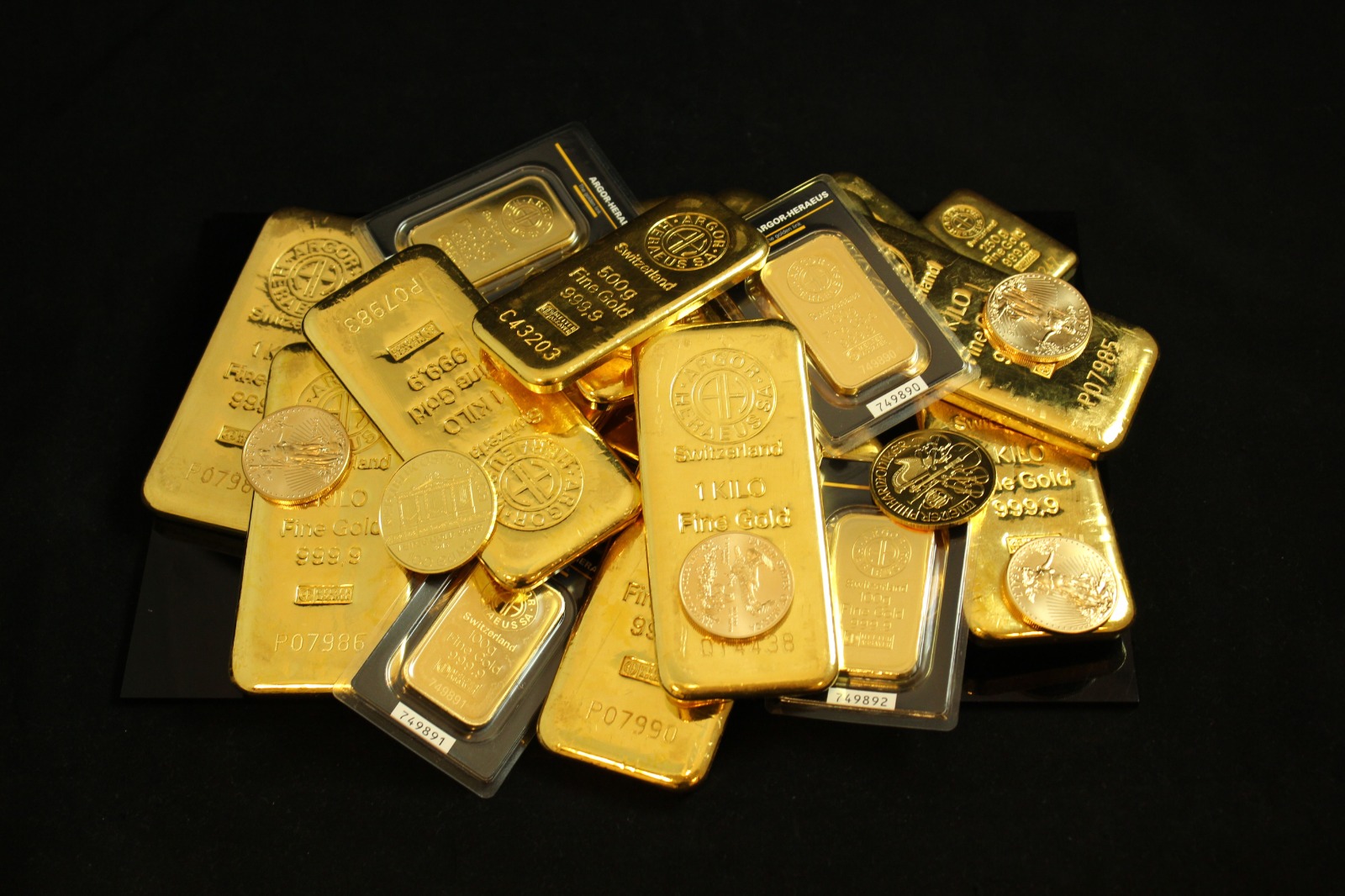
Spot gold climbed to about $4,190.57 an ounce, while US gold futures for December delivery gained around 1.4% to $4,215.30. Other precious metals also advanced, with silver, platinum and palladium recording gains during the session.
The move came after Trump said the United States would not attack Iran before November’s midterm elections, easing some immediate concerns over energy supply. Lower oil prices can reduce fears that an energy shock will push inflation higher, while a weaker dollar makes gold less expensive for buyers using other currencies.
Gold’s outlook remains closely linked to monetary policy. The metal does not pay interest, so its relative appeal can weaken when government bond yields rise, or investors expect central banks to tighten policy. Markets are assessing whether inflationary pressure from energy costs will prompt the Federal Reserve to raise rates again, despite the risk that tighter financial conditions could slow economic activity.
Investors are also monitoring upcoming US economic data for evidence about the direction of inflation and the likely path of interest rates. A stronger-than-expected inflation reading could lift yields and the dollar, putting pressure on bullion; softer data could support gold if it reduces expectations of further tightening. The response will depend on how the figures compare with market expectations.
Gold continues to attract demand as a store of value during periods of political and financial uncertainty, but price movements can be volatile when investors rapidly reassess the balance between inflation risks and interest rates.
The latest rise therefore signals a change in short-term market positioning rather than a settled trend. The durability of the recovery will depend on currency movements, bond yields, developments in the Middle East and the next round of US inflation data.