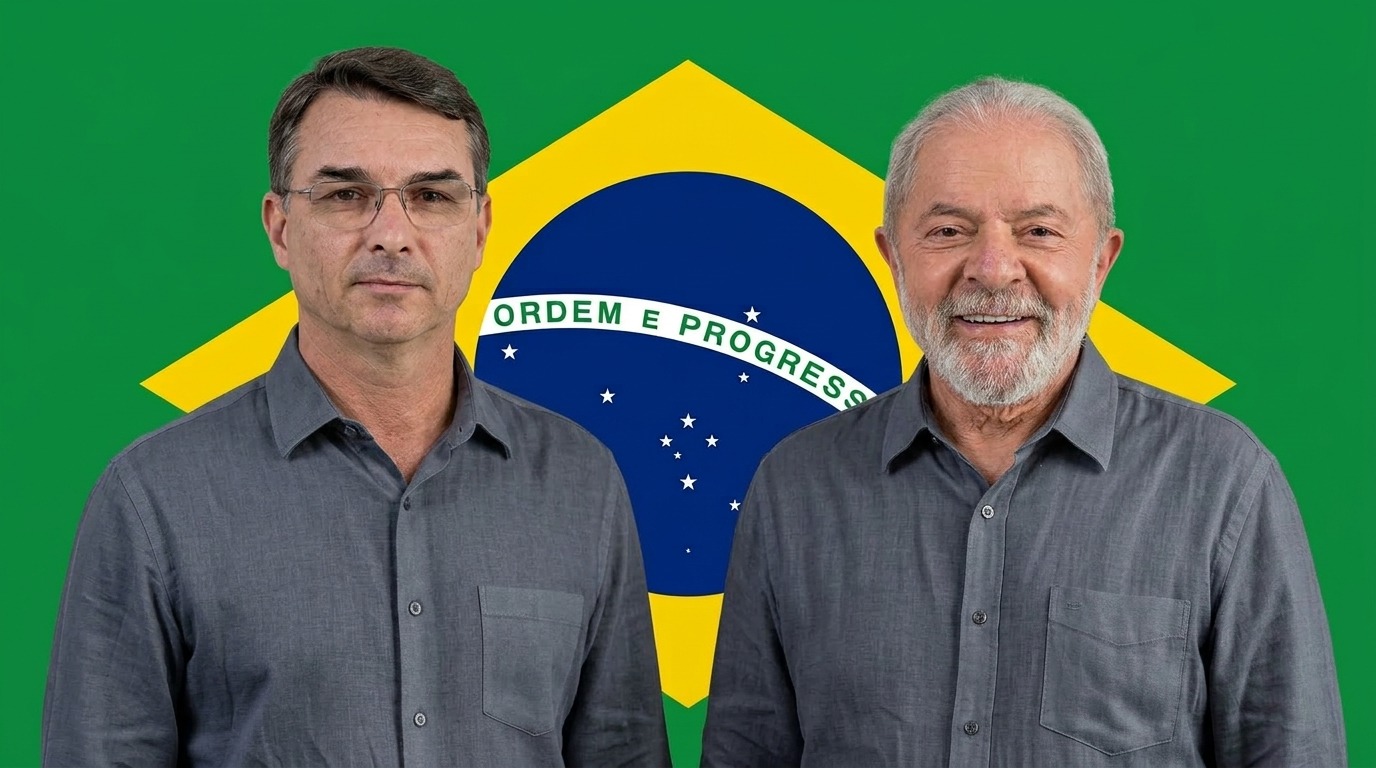
Flavio Bolsonaro emerged from Sunday's vote with a narrow lead over Lula and will face the incumbent in a runoff scheduled for October 25. The result was particularly significant because the family's former political leader, Jair Bolsonaro, was not on the ballot and is under house arrest while serving a 27-year sentence following his conviction over a coup plot.
The first-round result has transformed expectations surrounding the election. Flavio had faced questions over whether he could reproduce the political strength of his father, but his performance demonstrated that the Bolsonaro movement retains substantial support among Brazilian voters.
The result has also strengthened the family's influence within the country's conservative political landscape. Right-wing politicians who competed in the first round have begun moving towards Flavio, with Ronaldo Caiado and Romeu Zema among those endorsing him for the runoff.
The political implications extend beyond the election itself. Flavio has positioned himself closer to US President Donald Trump and could seek stronger relations with Washington if elected. Lula, meanwhile, has pursued a more independent foreign-policy position and has been critical of US pressure on Brazil.
Economic policy will also be central to the second round. Investors are watching the candidates' positions on public spending, debt, fiscal discipline and the wider business environment. A change of government could alter expectations for the Brazilian real, government bonds, equities and foreign investment.
Lula remains a formidable opponent, and the runoff is expected to be closely contested. The president retains a substantial political base and will seek to frame the election around social policy, economic stability and concerns over a return of Bolsonaro-aligned politics.
For Brazil, the campaign now enters a more consequential phase in which economic policy, foreign relations and political identity will become increasingly intertwined. The October 25 vote is likely to determine not only the country's next president but also the future direction of its economic and diplomatic strategy.