
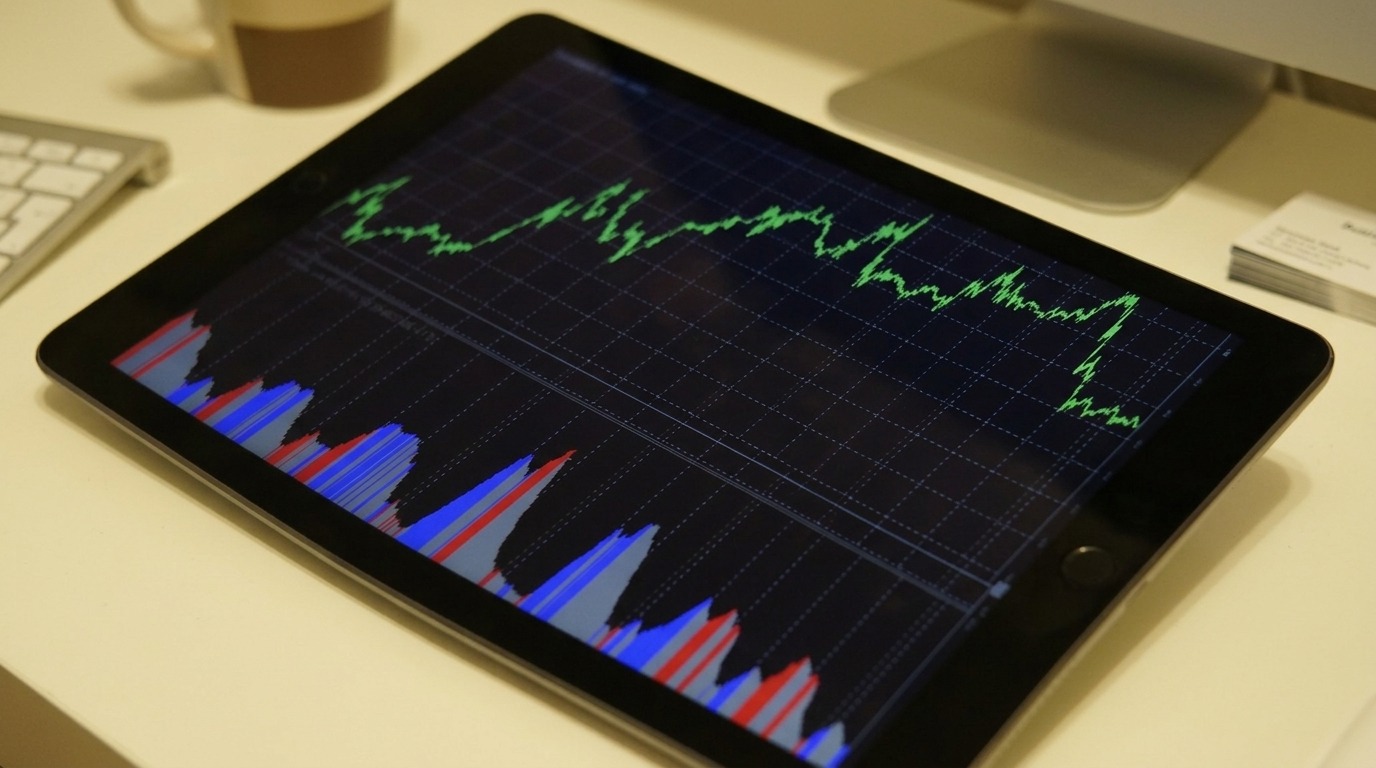
MSCI’s broadest index of Asia-Pacific shares outside Japan fell by more than 2%, reaching its lowest level since late July. South Korean technology stocks recorded some of the steepest losses, with Samsung Electronics declining about 8% and SK Hynix falling 10%. Taiwan Semiconductor Manufacturing Company dropped 1.8%, while Japan-listed Kioxia Holdings lost 14%.
The retreat followed a decline in US chipmaker shares, after reports of rapid technological progress by China’s ChangXin Memory Technologies raised the prospect that Chinese manufacturers could narrow the gap with established competitors. The developments prompted investors to reassess the valuations of companies that have benefited from strong demand for AI-related computing equipment.
The sell-off reflects growing scrutiny of the returns expected from the substantial capital expenditure committed to AI infrastructure. Demand for advanced computing remains strong, but investors are increasingly questioning which companies will ultimately capture the revenue and profits generated by the technology.
The concentration of market gains in a relatively small group of technology companies has added to concerns about market vulnerability. If expectations for AI earnings weaken, highly valued semiconductor and computing businesses could face further pressure, potentially affecting broader equity indices and investment sentiment.
Geopolitical tensions are compounding those concerns. The continuing conflict in the Middle East has kept energy prices elevated, with Brent crude trading near $106 a barrel in recent market reporting. Higher oil prices risk renewing inflationary pressure by raising transport, manufacturing and other operating costs.
That prospect complicates the outlook for central banks and bond markets. Higher inflation could delay interest-rate relief, while elevated government bond yields increase financing costs for companies and households. Investors have consequently shifted towards government bonds and other assets perceived as more defensive during periods of uncertainty.
US and European equity futures also pointed to a weaker start to trading, suggesting that concerns originating in Asia could extend into other markets as investors prepare for quarterly corporate earnings.
The immediate direction of equities will depend on incoming company results, developments in the Middle East and evidence of whether AI investment can deliver sustainable returns.
For global investors, the market decline underscores the interaction between technological competition, valuation risks and geopolitical shocks in shaping the outlook for financial markets.