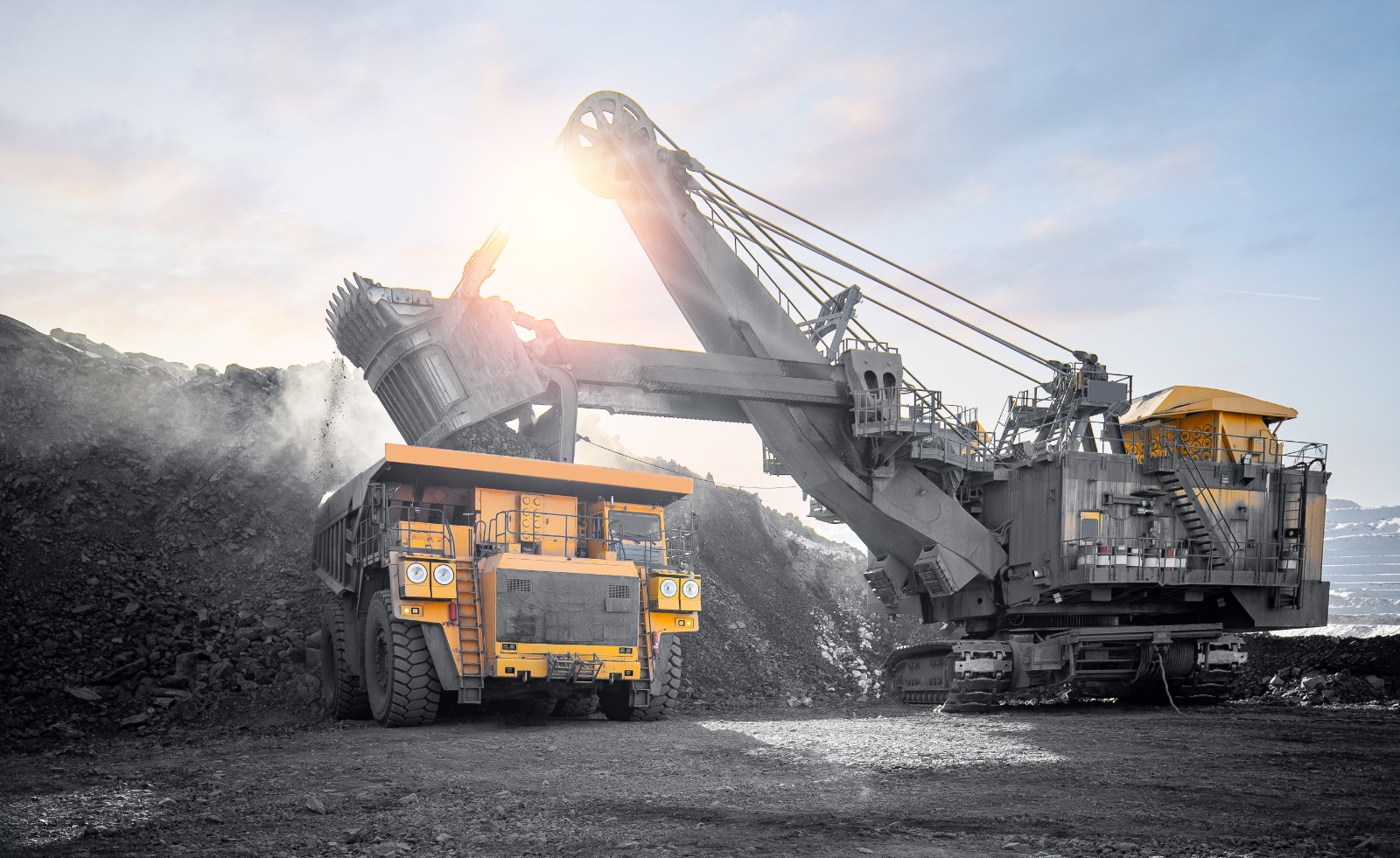
Countries including Guinea are promoting refineries and other processing facilities to reduce reliance on exporting unprocessed minerals. Guinea, which has become a leading global producer and exporter of bauxite, is pursuing plans to develop additional alumina-refining capacity and eventually support investment in aluminium smelting. Governments are using measures such as mining rights, tax incentives and proposed export restrictions to encourage investment in domestic industries.
The strategy reflects a wider effort to retain more value from resources used in construction, transport, batteries and other industrial applications. Processing minerals locally can create jobs, develop technical capabilities and support related infrastructure, while potentially giving producing countries a greater share of the revenue generated along the supply chain.
However, these ambitions depend on reliable and affordable power. Guinea generates approximately 1,000 megawatts of electricity but has indicated that its industrialisation plans could require between 5,000 and 10,000 megawatts. Energy shortages and high electricity costs have also undermined processing industries elsewhere on the continent, demonstrating how infrastructure constraints can weaken the commercial case for new investment.
Financing is another major obstacle. Refineries, smelters and associated transport infrastructure require substantial capital, long development timelines and dependable supplies of raw materials. Investors also need confidence in policy stability and access to customers willing to purchase processed output.
Development finance institutions are seeking to address some of these challenges. A framework announced on 17 October by multilateral development banks, including the African Development Bank and World Bank, aims to improve coordination across critical-minerals supply chains. The approach includes financing, infrastructure development and support for processing, manufacturing and recycling in developing economies.
Private and development finance alone, however, cannot guarantee successful industrialisation. Projects must align energy capacity, transport links, commercial demand and regulatory certainty. Without those elements, new facilities could face delays, high operating costs or difficulty competing with established processing centres.
For African economies, the opportunity extends beyond mineral extraction to broader industrial development. Realising it will depend on whether governments and investors can coordinate capital, infrastructure and long-term policy to make domestic processing commercially viable.